The Land of GiantsGilgit-Baltistan, Pakistan

The second-highest plateau on earth is open for about a hundred days a year. We spend all of them up there, and we take a few people with us.

Scroll to start the day

06:10The name

Deo, a giant. Sai, its shadow.

The Shina-speaking herders who come up from Astore named it for what it does to you. Three and a half thousand square kilometres of grass at the height of an Alpine summit, and not one tree to tell you how far away anything is.

A boulder turns out to be a hill. The hill turns out to be forty minutes away. You are the smallest thing you can see, and you stay that way for days.

On the Skardu side the Balti call it Byarsa, the summer’s place, which is the more practical name: from November to May it belongs to the snow. We borrowed the word for ourselves.

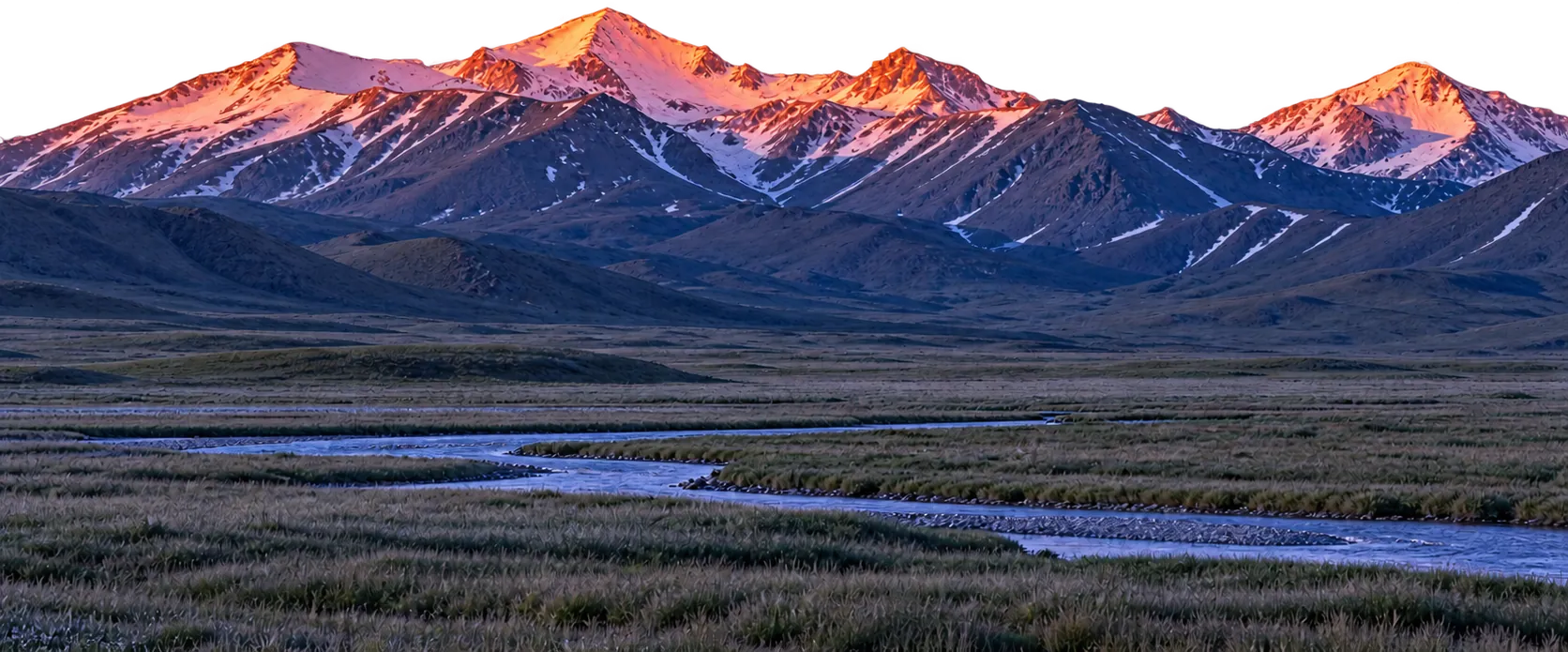
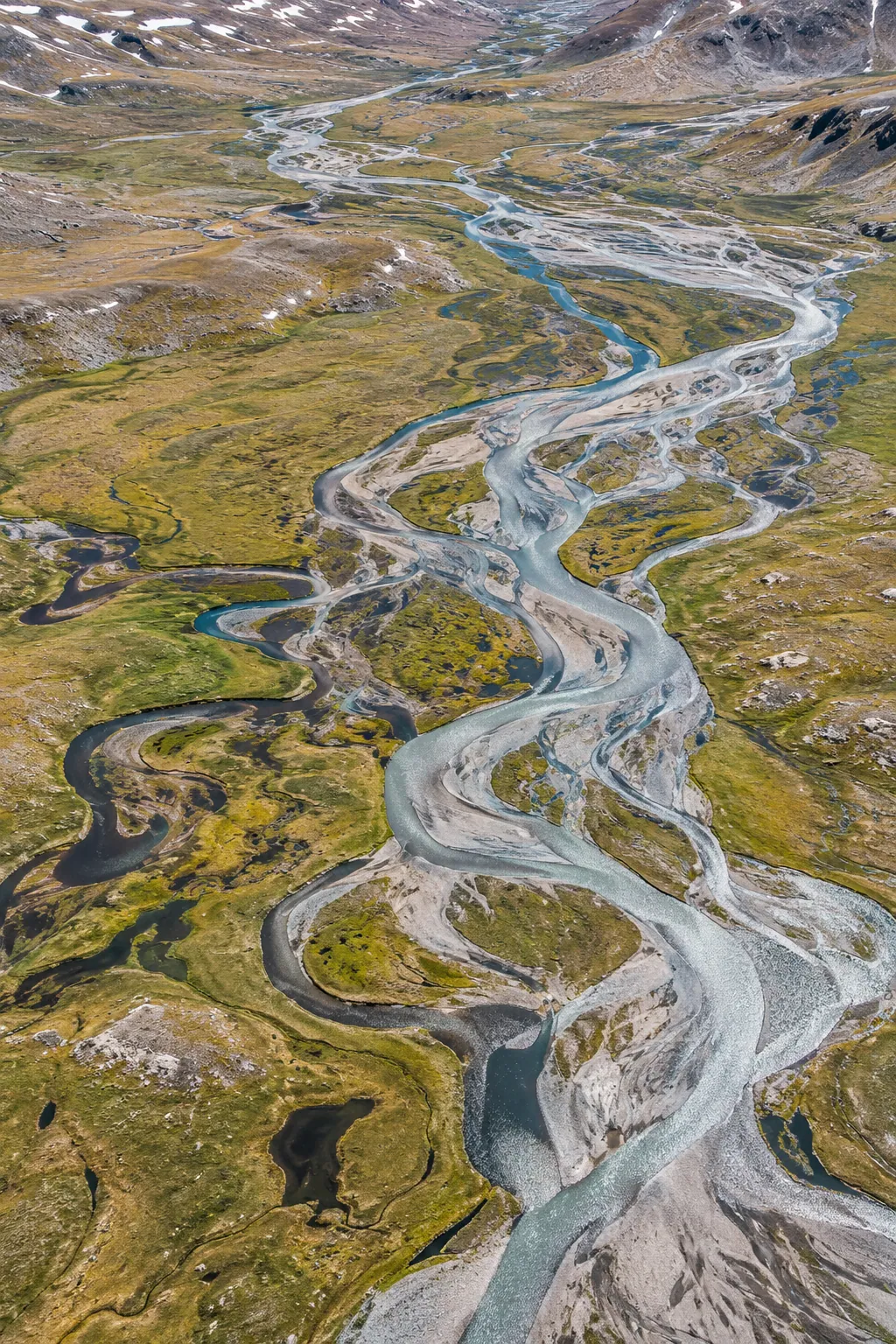
Braided streams wandering across green and gold grassland, seen from directly above.
Shatung drainage, from above. No scale intended.
4,114m
Mean elevation. Higher than every summit in the Pyrenees.
3,584km²
National park since 1993. Larger than Luxembourg, with fewer cafés.
100days
Open, roughly. Between the snow leaving and the snow coming back.
0trees
Above the treeline, edge to edge. Nothing here is taller than a bear.

07:30The ground

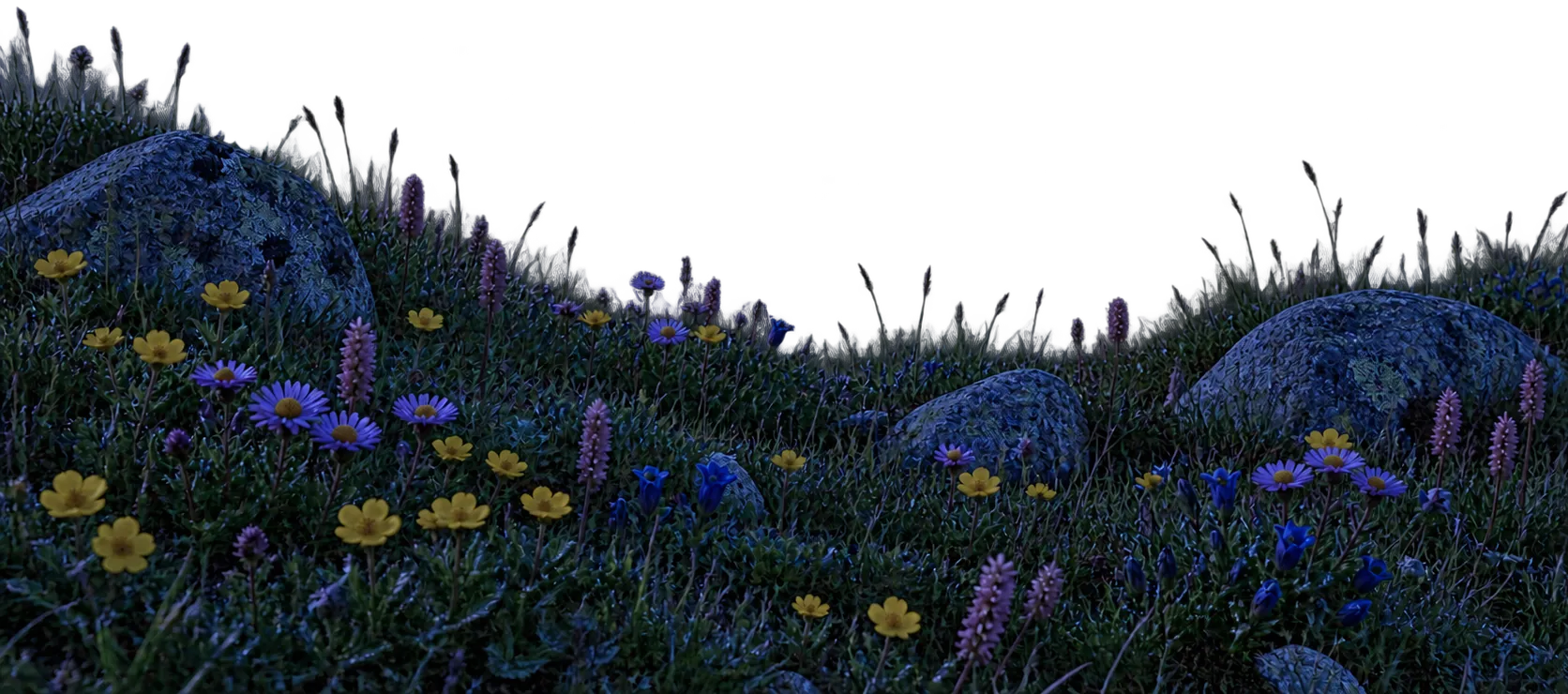
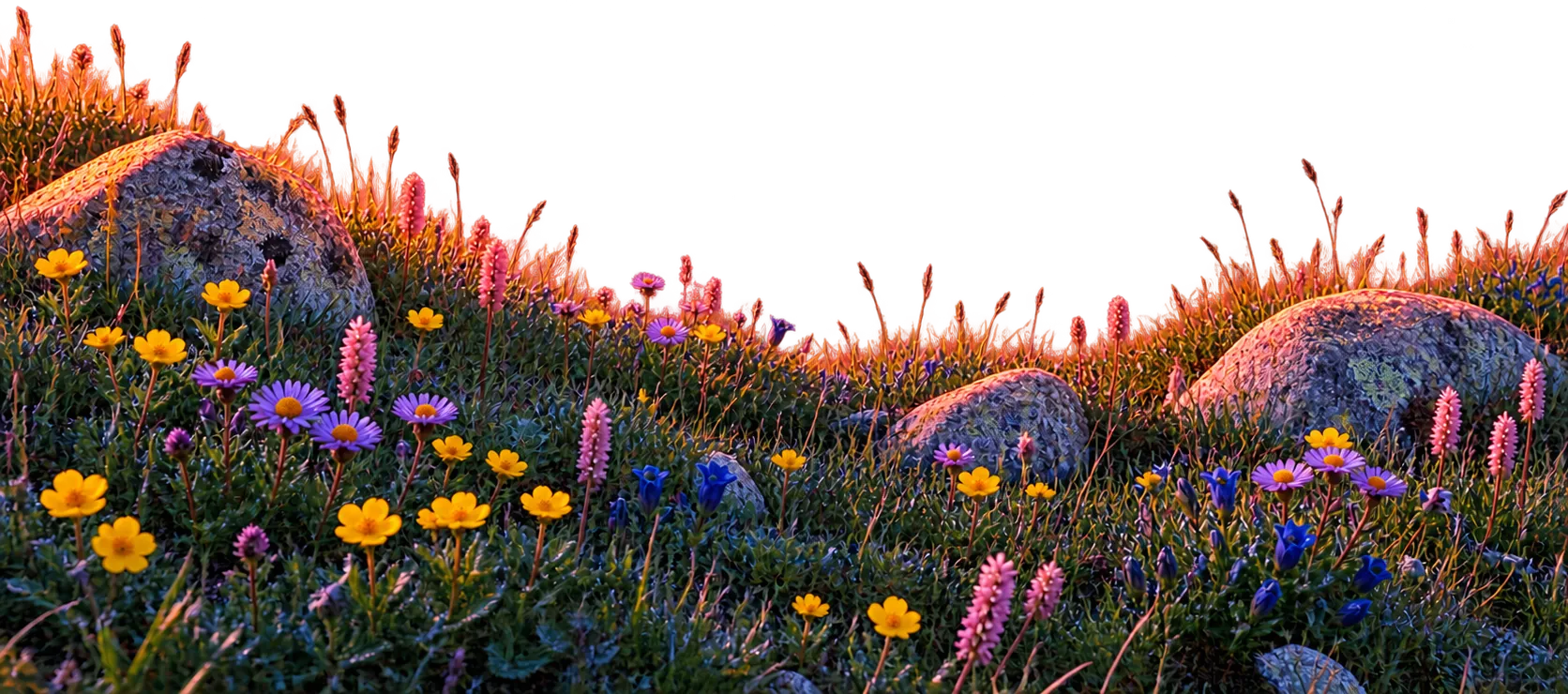
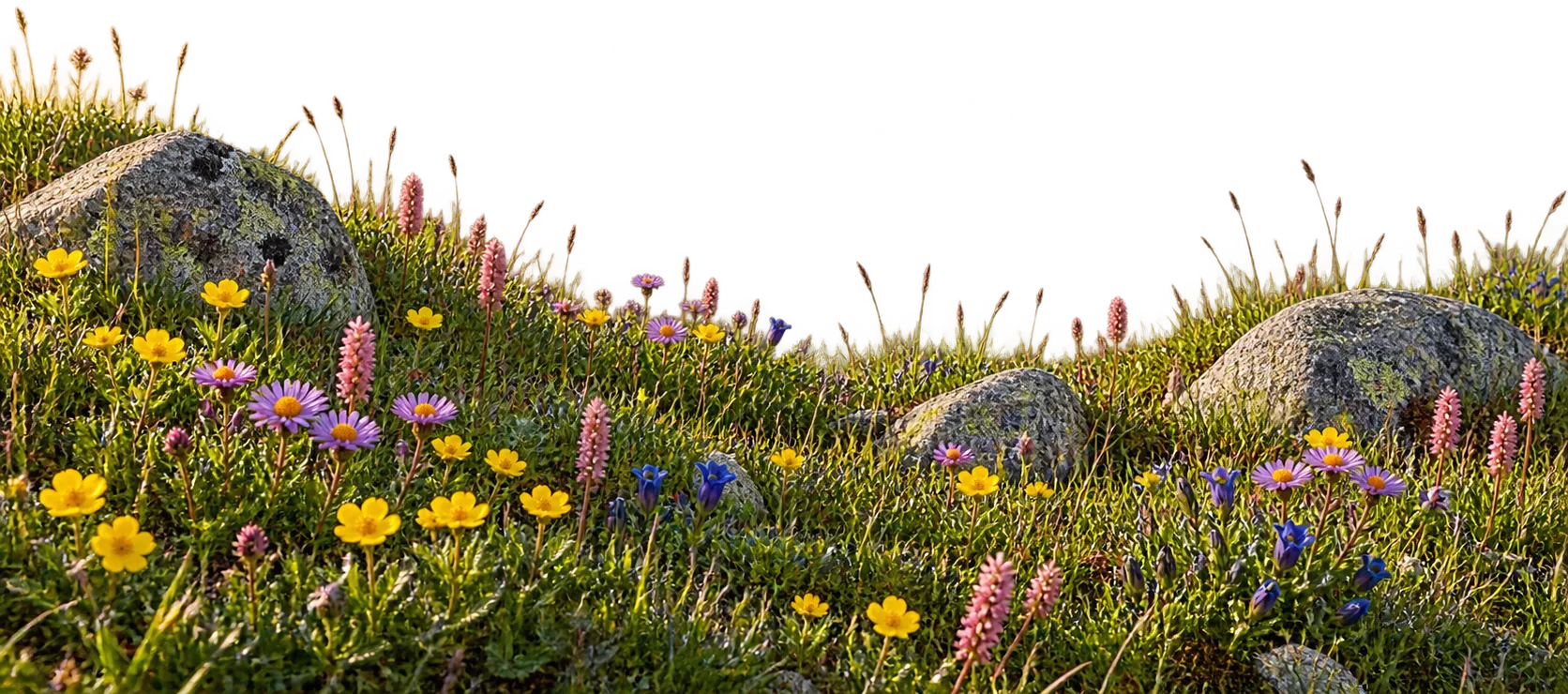
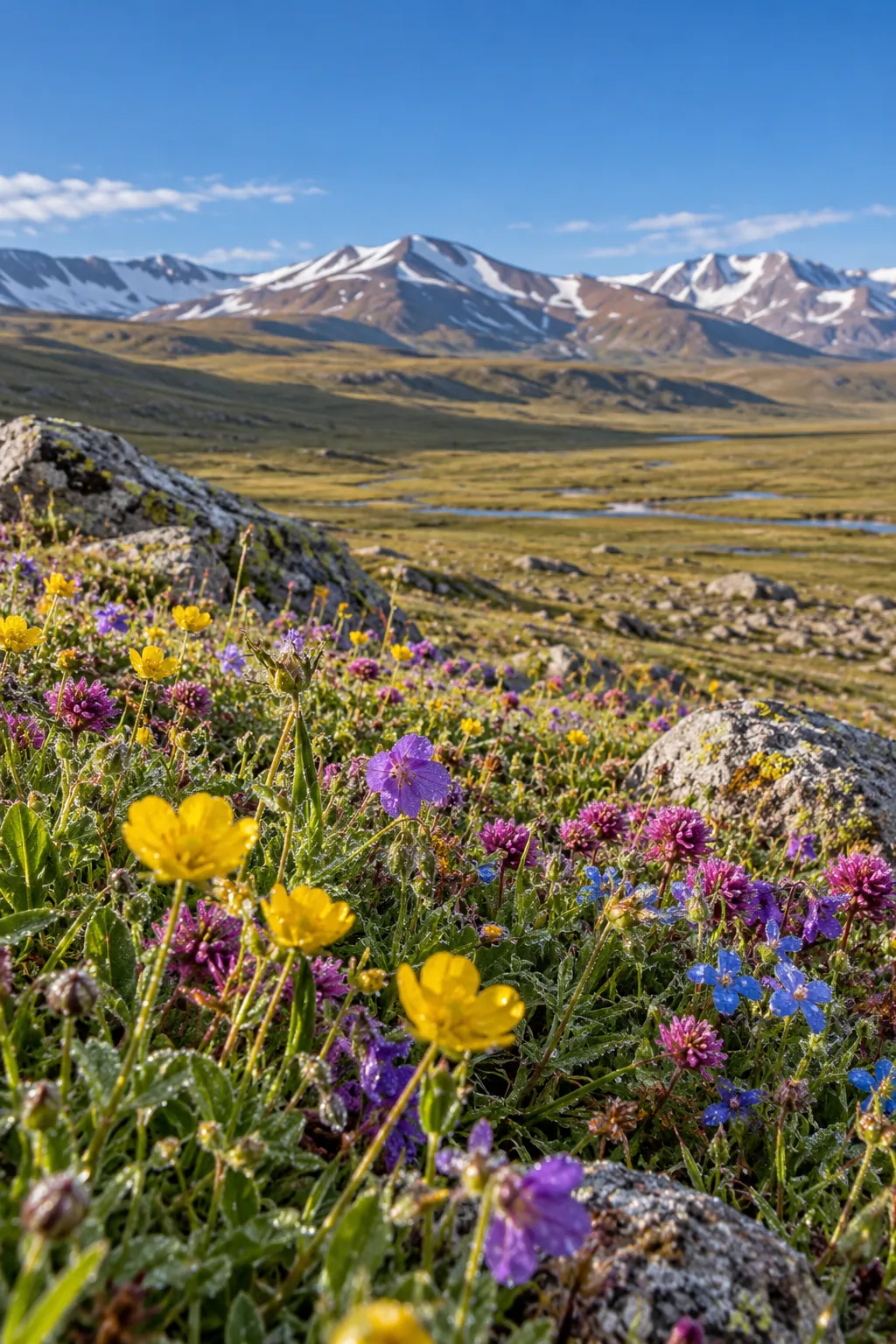
For six weeks the plateau is mostly flowers.

A dense carpet of yellow, violet and blue alpine flowers with the plain and a snowy ridge behind.
Above Kala Pani, mid-July

The thaw reaches four thousand metres in late June. Everything that grows here has until the first September frost to flower, set seed and go back under, so it all happens at once. Walk slowly. Most of it is ankle height.

Move through the meadow. Pick one.Swipe through the meadow.

  • No. 01 · late June

    Purple primrose

    Primula macrophylla

    First through the snowmelt, often with ice still at its feet.

  • No. 02 · August

    Monkshood

    Aconitum violaceum

    Handsome, and poisonous from root to tip. The marmots leave it alone and so should you.

  • No. 03 · July

    Golden cinquefoil

    Potentilla argyrophylla

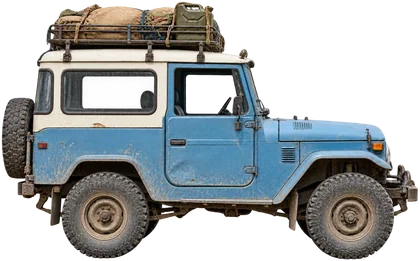
    The yellow you can see from the jeep. Whole hillsides of it by mid-July.

  • No. 04 · July to September

    Trumpet gentian

    Gentiana carinata

    Opens only in direct sun and closes when a cloud passes. A reliable weather report.

  • No. 05 · July

    Himalayan edelweiss

    Leontopodium himalayanum

    Felted against the frost. Common on the dry ridges, where nothing else bothers.

  • No. 06 · July, briefly

    Blue poppy

    Meconopsis aculeata

    Rare. Among boulders on north-facing slopes. We know where; we don’t publish it.

  • No. 07 · August

    Alpine aster

    Aster flaccidus

    Marmots eat the heads like apples. Look for the ones they missed.

  • No. 08 · July

    Lousewort

    Pedicularis punctata

    Half a parasite. It taps the roots of the grass beside it and flowers on the proceeds.

  • No. 09 · August

    Fleeceflower

    Bistorta affinis

    Turns the stream banks pink for the last fortnight of summer.

  • No. 10 · July

    Meadow cranesbill

    Geranium pratense

    Wet ground around Bara Pani. Bears dig beside it for roots.

  • No. 11 · July

    Roseroot

    Rhodiola heterodonta

    Grows out of cracks in bare granite, which is most of what it needs.

10:20The residents

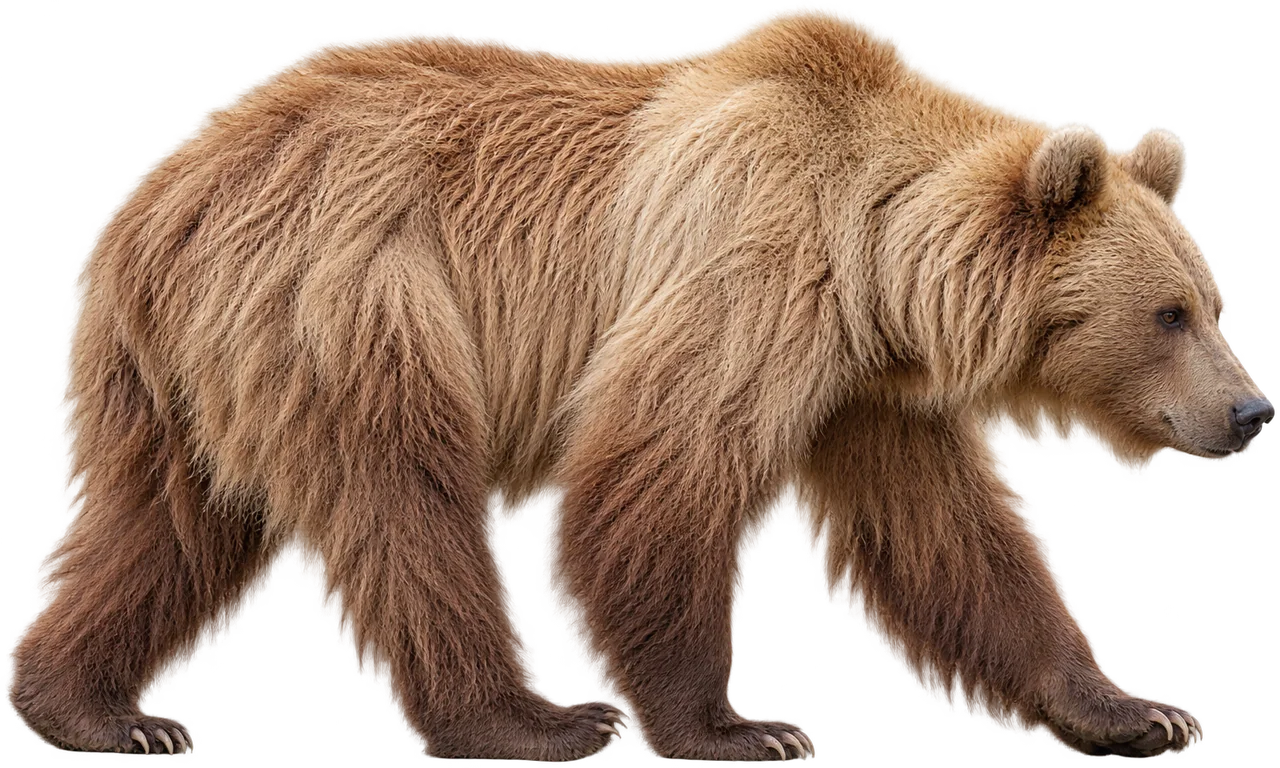
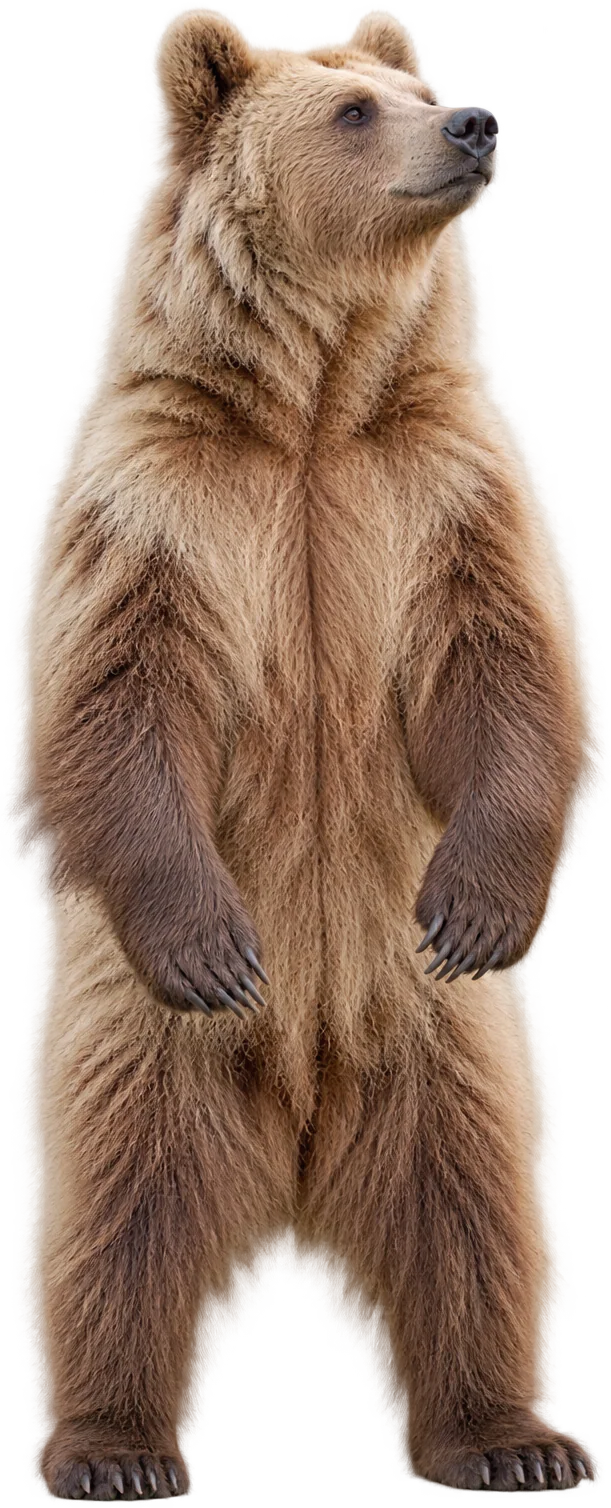
Nothing here is taller than a bear.

A Himalayan brown bear standing upright on its hind legs.1 m

Himalayan brown bear

Ursus arctos isabellinus

The reason the park exists. Sandy, shaggy and mostly vegetarian: roots, grass, the occasional careless marmot. Seen at dawn and dusk on the slopes above Bara Pani, through a scope, from a long way off.

Standing
to 2.2 m
In the park
70 or more
Odds, five days
about 1 in 2
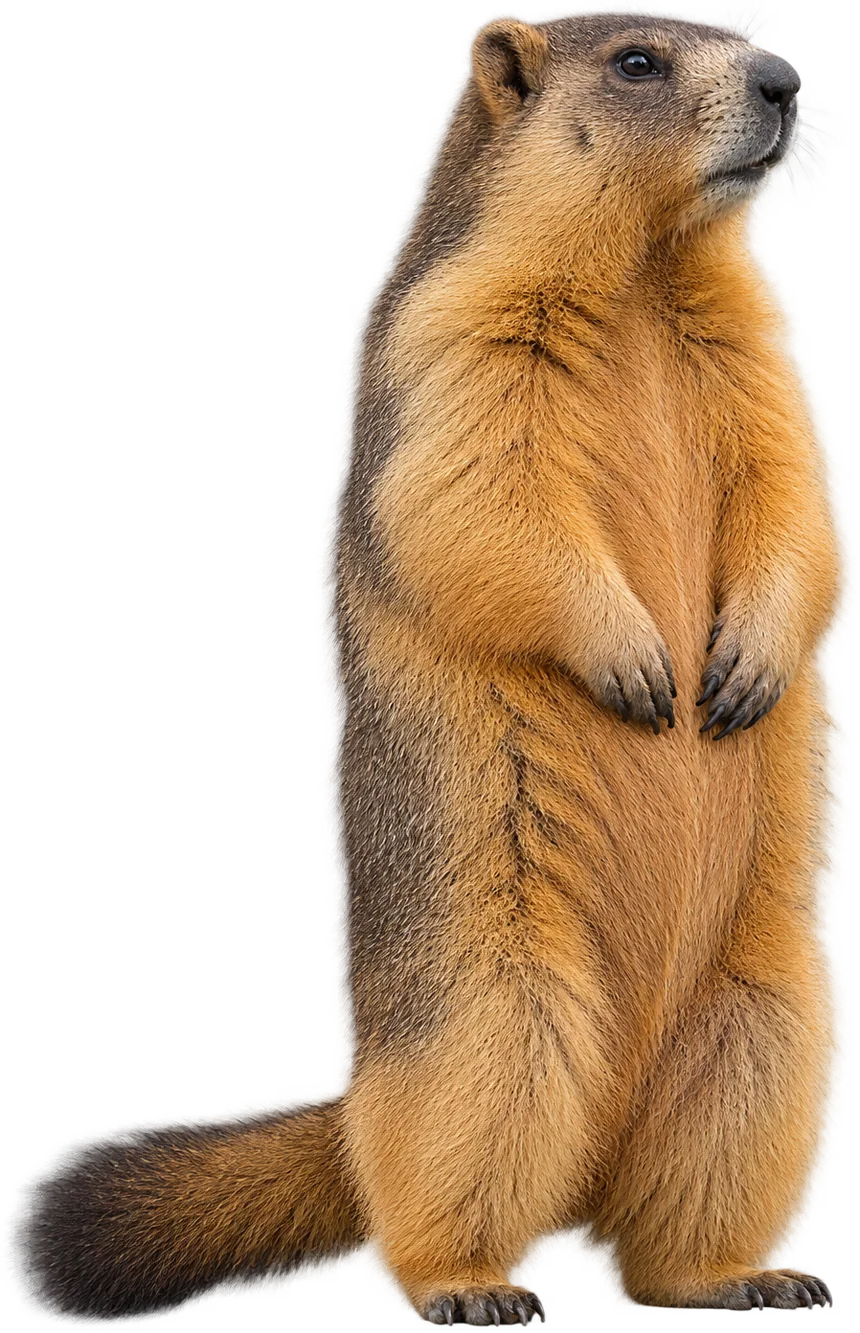
A golden marmot standing upright as a sentinel.20 cm

Golden marmot

Marmota caudata

The plateau’s alarm system. One stands sentinel while the colony feeds, and when it whistles everything within two hundred metres is suddenly underground. Asleep beneath the snow for seven months of the year.

Length
50 cm, and tail
Hibernates
Oct to April
Odds, five days
certain
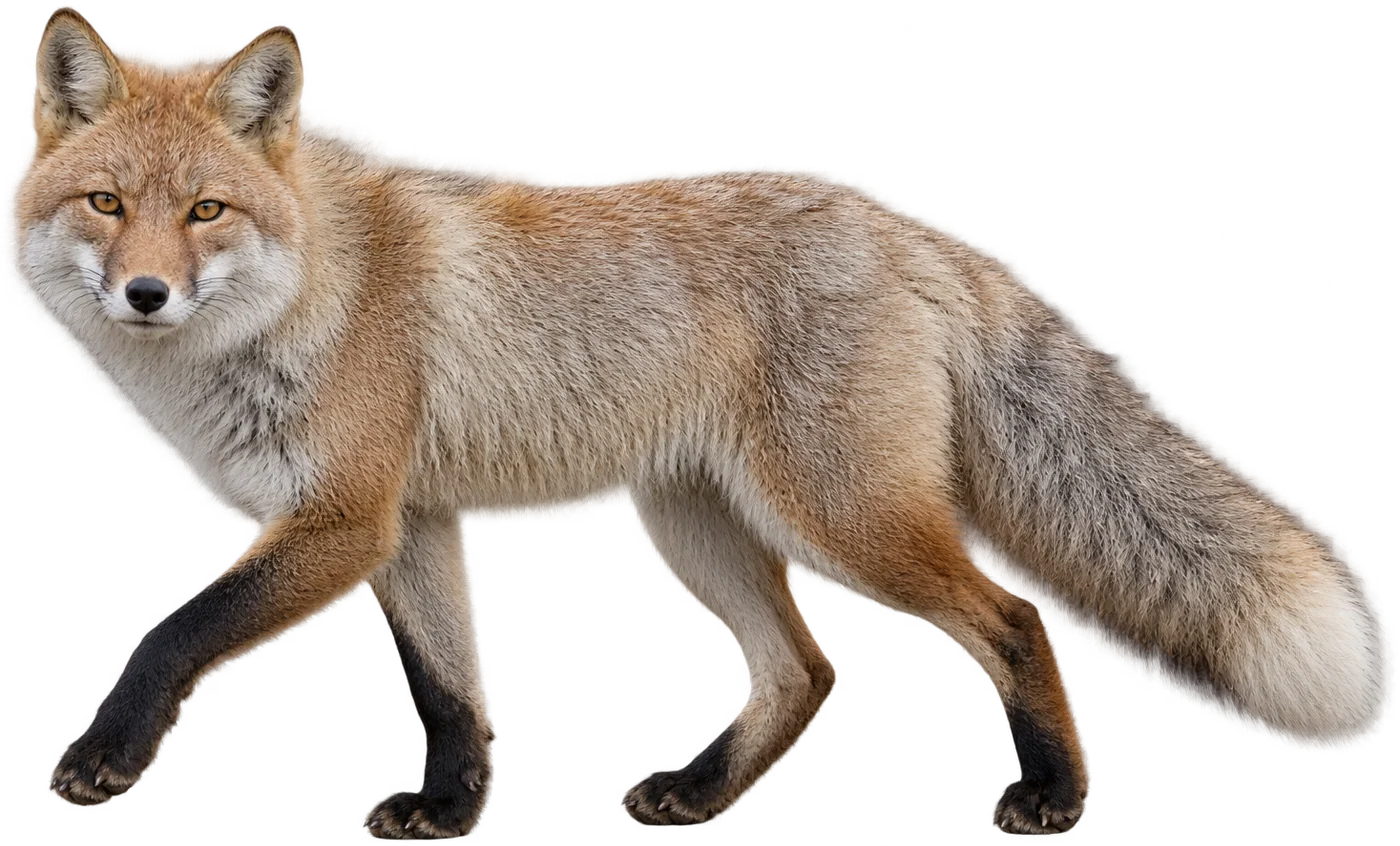
A red fox with a pale thick coat trotting.30 cm

Tibetan red fox

Vulpes vulpes montana

Hunts voles and marmot pups along the stream banks. Usually seen as a pair of ears above the grass in the first hour of light, and then as nothing at all.

Weight
4 to 7 kg
Active
dawn, dusk
Odds, five days
about 1 in 3
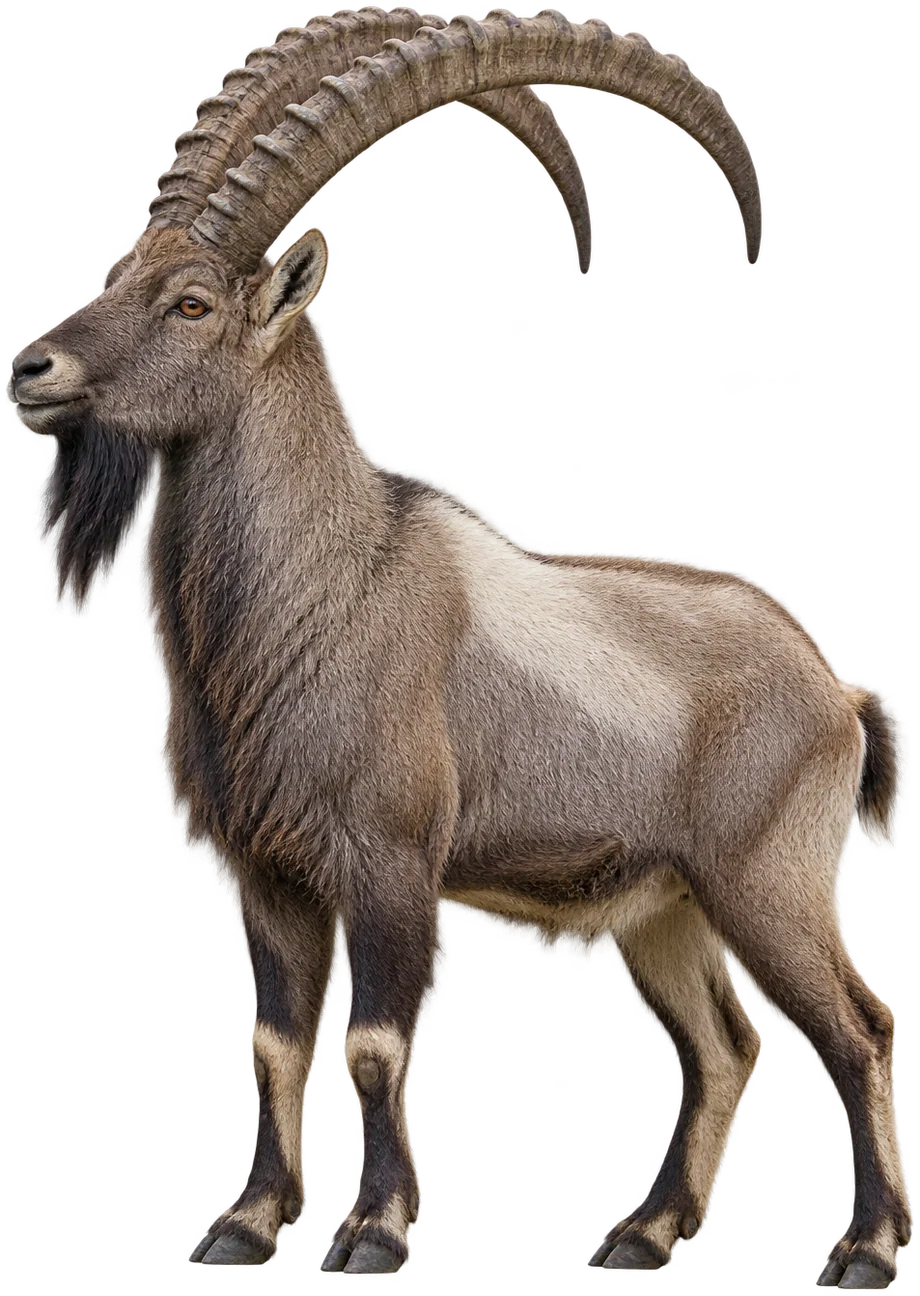
A male Himalayan ibex with long back-swept horns.50 cm

Himalayan ibex

Capra sibirica

Keeps to the rim rather than the plain: the crags above Sadpara and the Burji La, where the plateau falls away. An old male carries horns longer than your arm.

Horns
to 1.3 m
Where
the eastern rim
Odds, five days
about 1 in 5
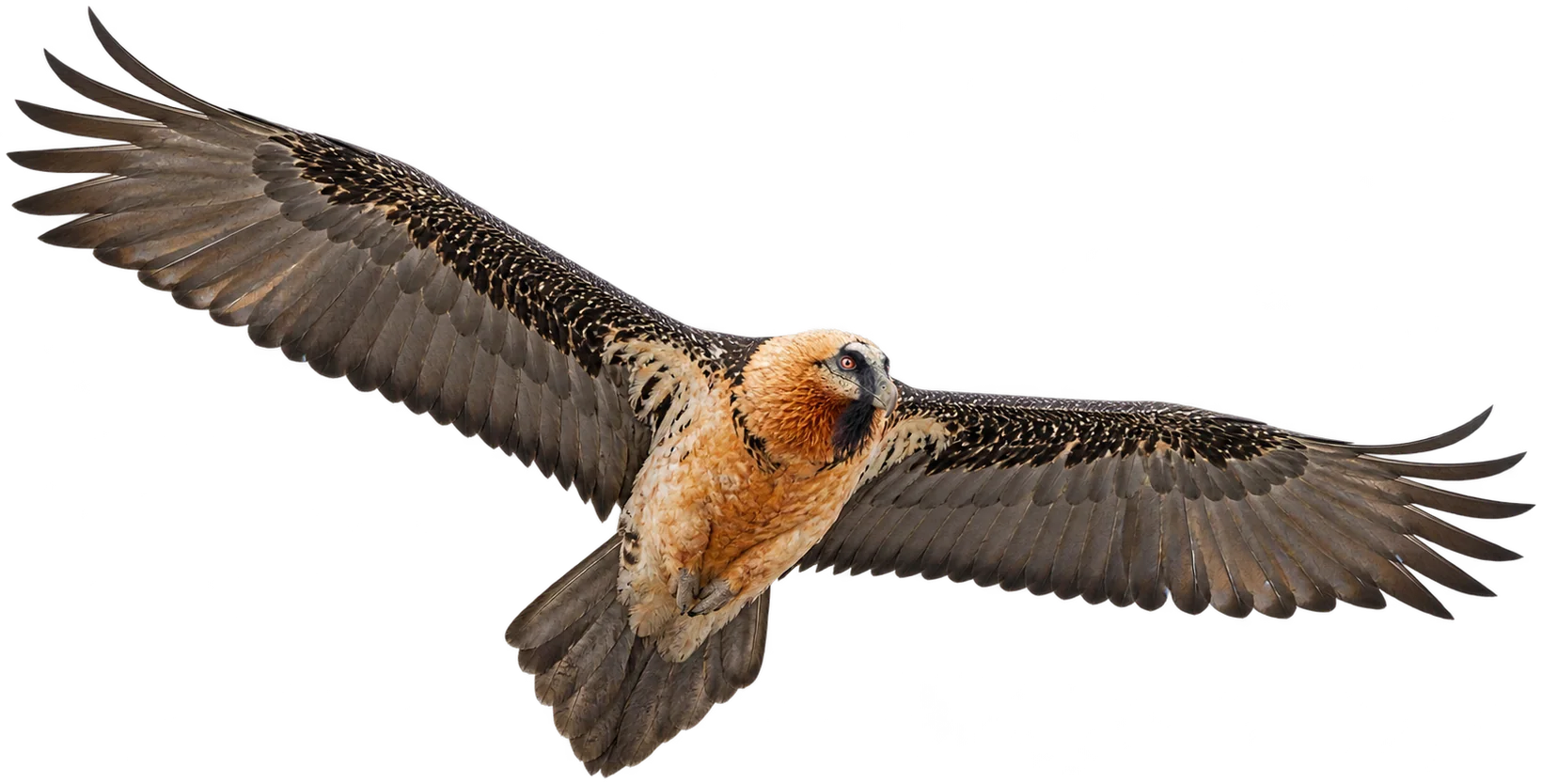
A bearded vulture gliding with wings fully spread.1 m

Lammergeier

Gypaetus barbatus

A wingspan close to three metres and a diet of bone, which it drops onto rock from height to get at the marrow. On a treeless plain you notice the shadow first.

Wingspan
to 2.8 m
Eats
bone, mostly
Odds, five days
most days

11:40The count

1970+

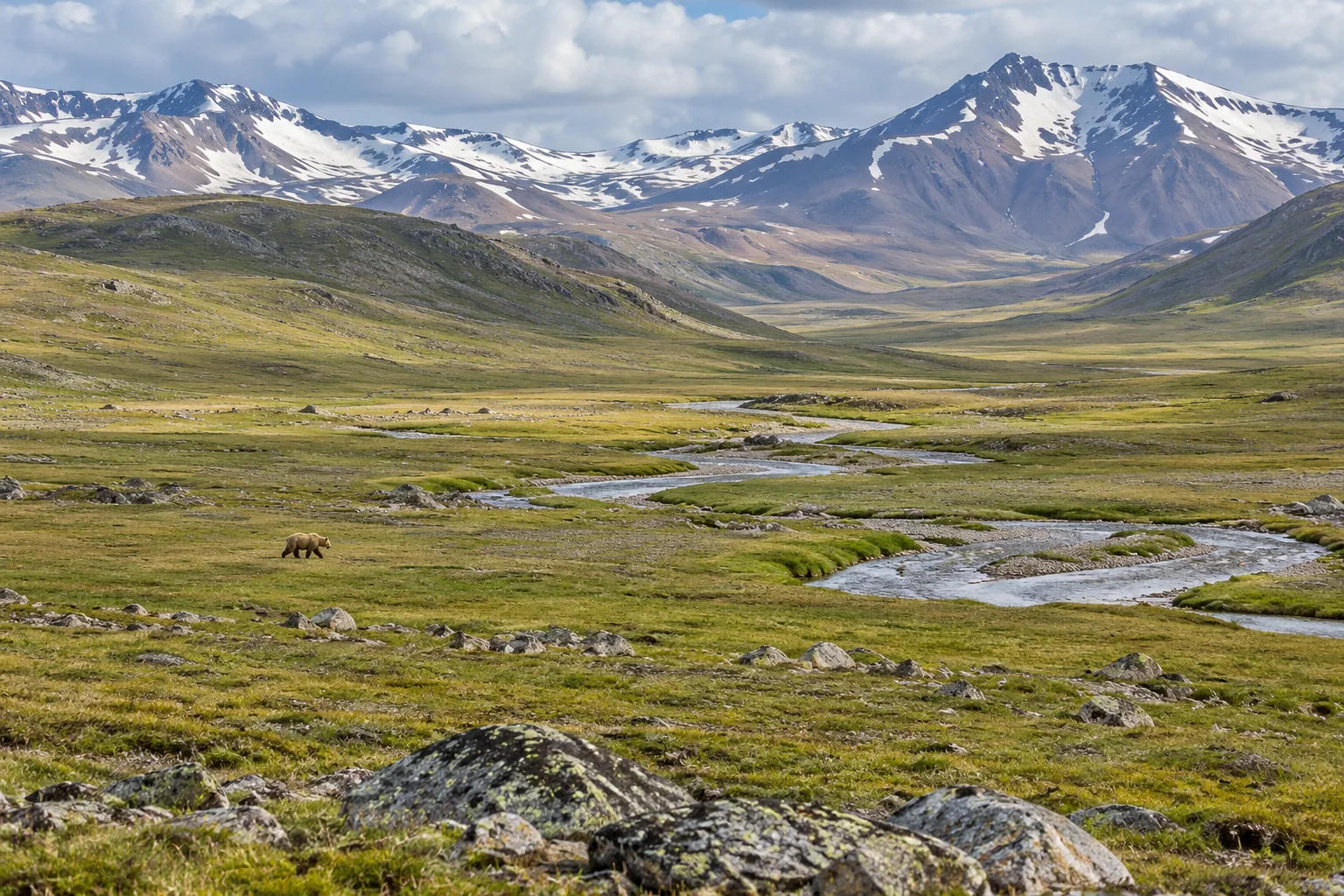
In 1993 there were nineteen brown bears left on the plateau. The park was drawn around them that year. The recent counts put the number above seventy.

They stay because people keep their distance. We watch from three hundred metres or more, never leave the track in a vehicle, and never keep food in the open. If a bear changes what it is doing because of us, we are too close.

An immense green valley with a winding stream; one brown bear is a tiny shape in the grass.
There is one bear in this photograph.Use the glass.Drag the glass.
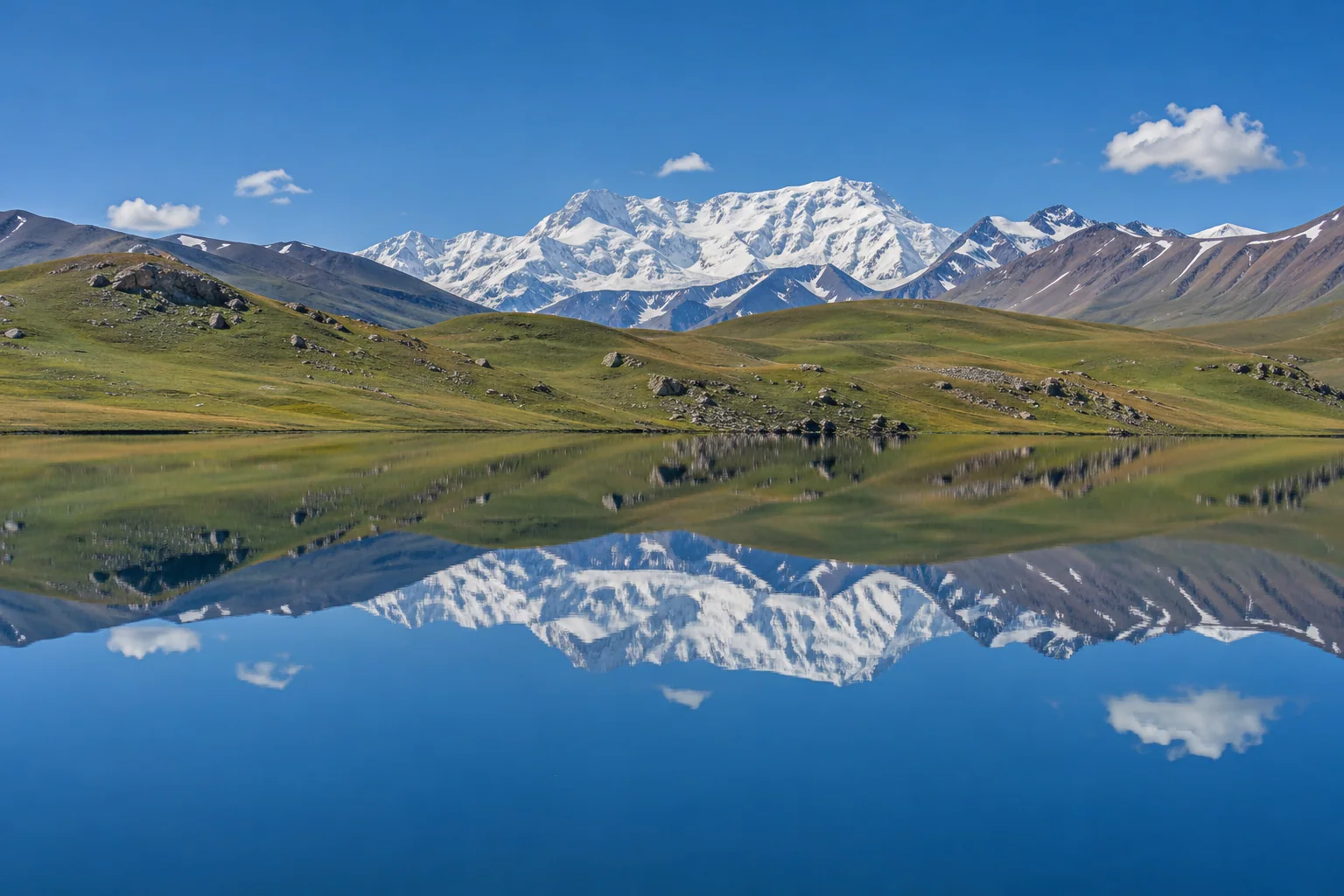
Sheosar Lake lying perfectly still, reflecting green hills and the snow of Nanga Parbat.

13:10Water

Sheosar, the blind lake.

No inlet you can find and no outlet you can follow, which is one explanation for the name. On a windless morning it holds Nanga Parbat upside down, from sixty kilometres away.

Surface
4,142 m
Length
2.3 km
Depth
40 m

Touch the water.Touch the water.

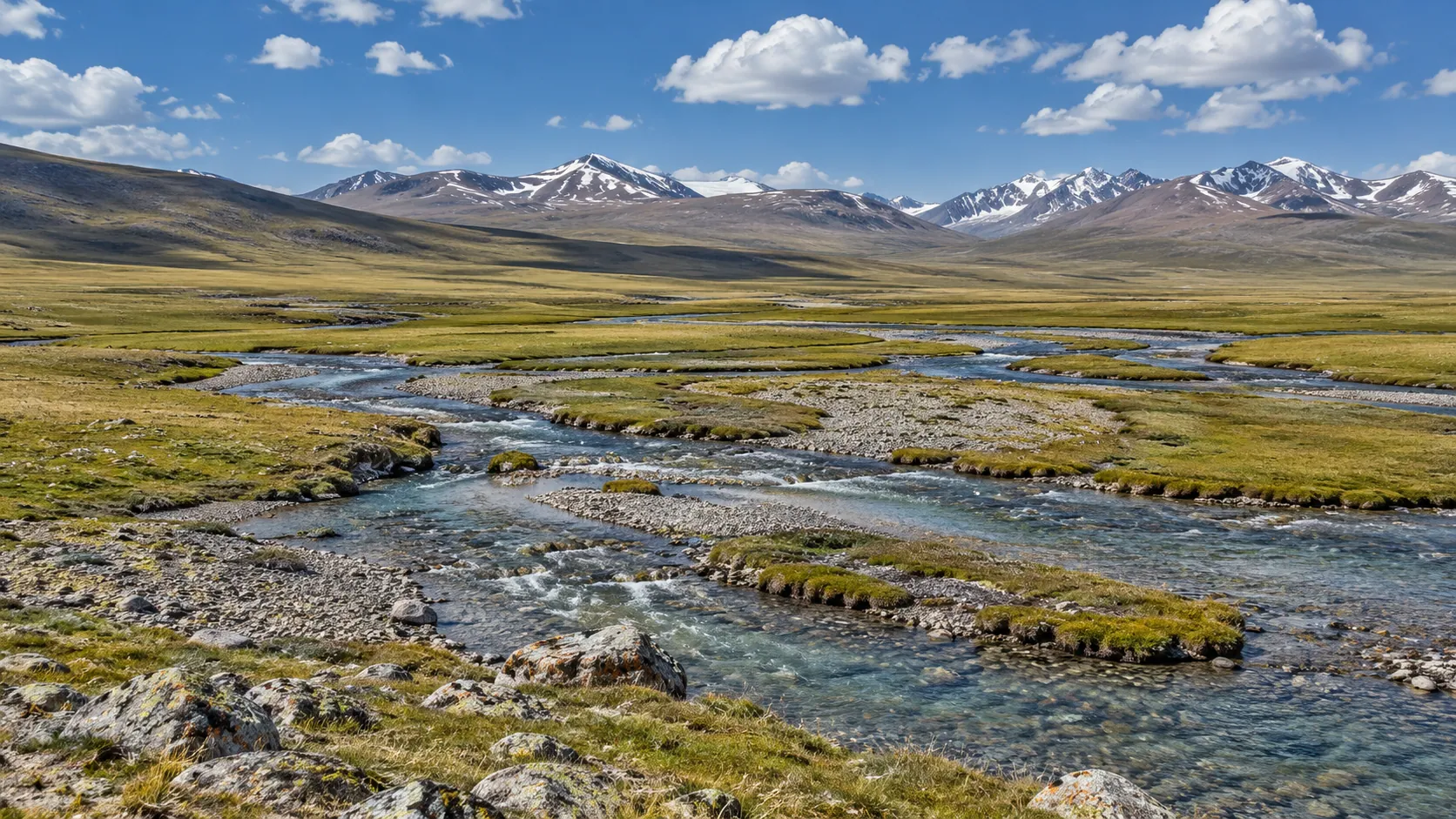
A broad shallow river braiding across a flat green plain under small clouds.
  • Bara Panibig water
  • Kala Paniblack water
  • Shatungthe far one

The rivers are named plainly. They are cold enough to hurt and clear enough to count the snow trout, and all three end up in the Indus. We camp beside the first for two nights.

15:40Weather

By mid-afternoon the sky has made other plans.

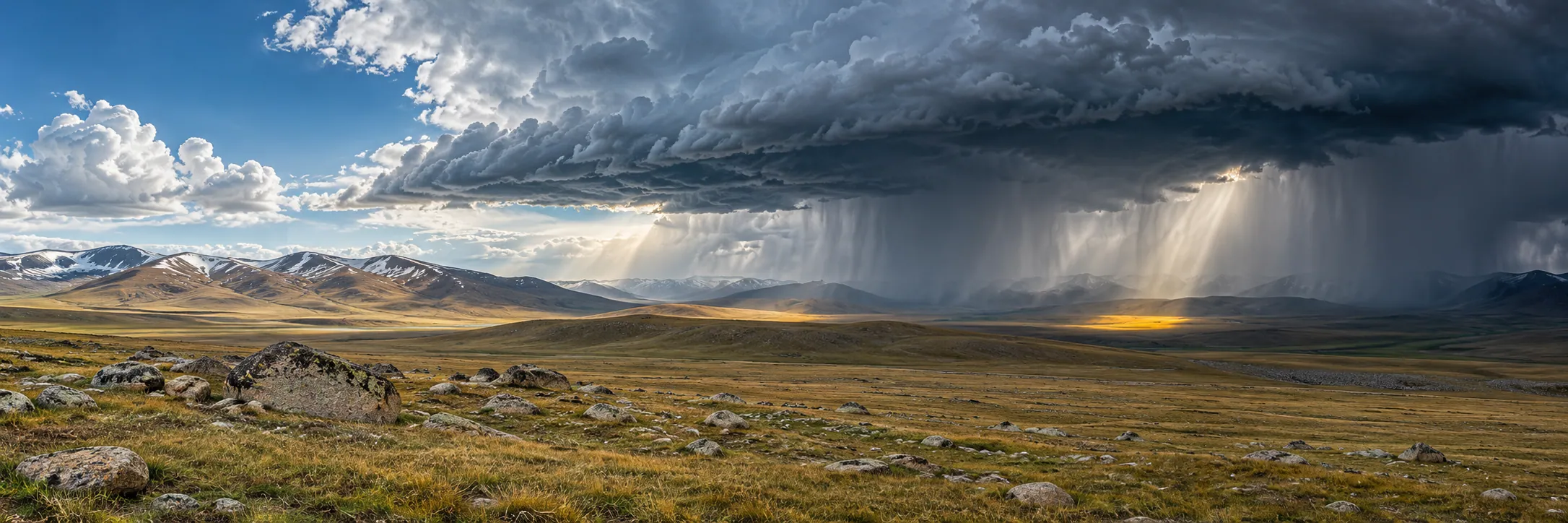
A panorama of the plateau: sunlit plain on the left, a huge dark storm cloud with curtains of rain on the right.

Deosai makes its own weather. A clear noon becomes hail by three and sun again by five, and you can watch each of them coming from an hour away.

What to pack for, in °C
MonthNoonNightSnow
June10°−4°likely
July15°1°possible
August14°0°possible
September9°−6°likely

Snow can fall in any month. We carry for all of it and do the walking in the mornings.

17:30Crossings

Three ways across.

Small groups, four to eight. A jeep and driver from Skardu, canvas tents, a cook, a kettle that is never cold, and a guide who grew up underneath the plateau. Park fees and sleeping bags rated to minus ten are in the price.

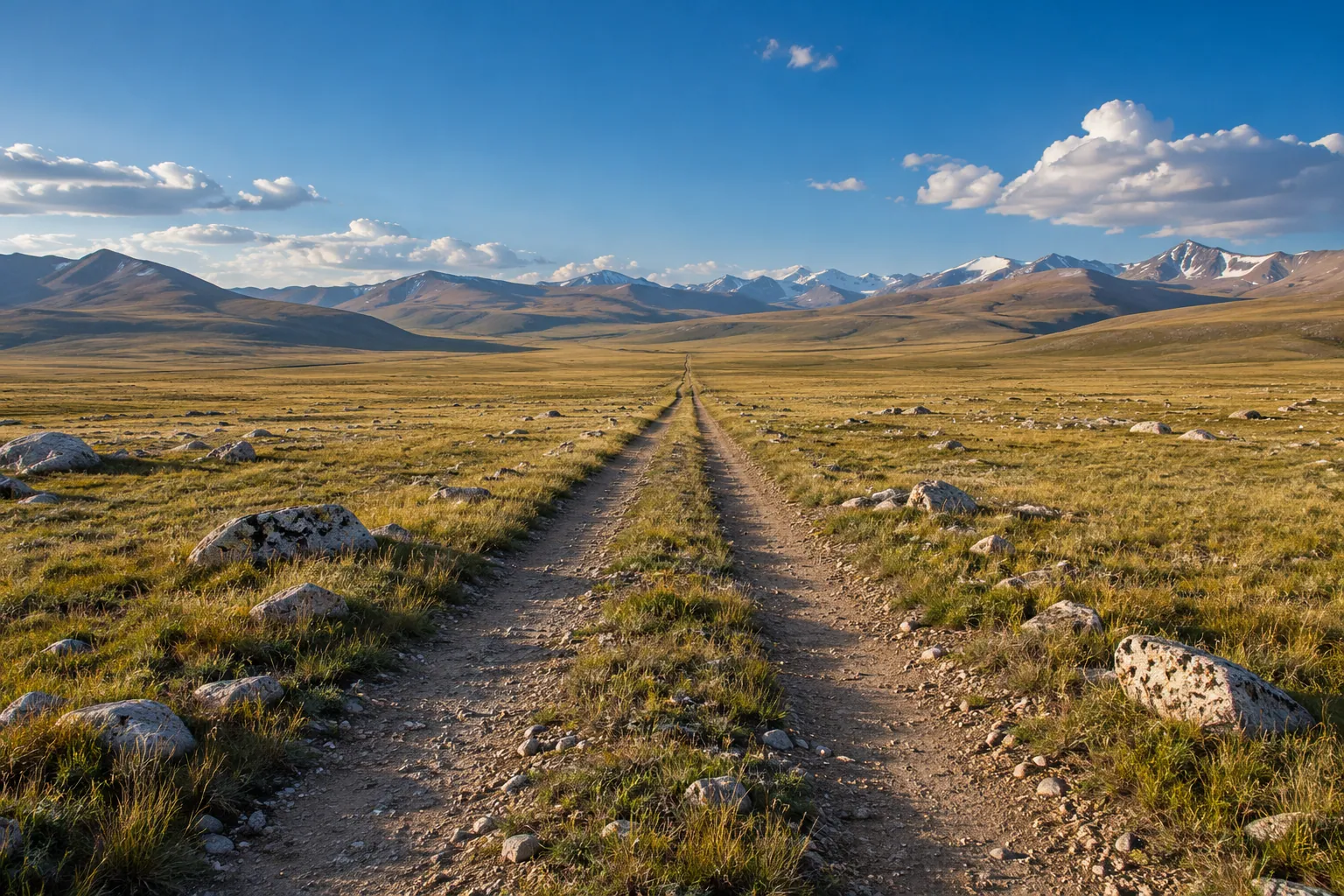
  1. A two-rut jeep track running straight across the plain to the horizon.

    015 days · July to September

    The Crossing

    The whole plateau, east to west. Up past Sadpara, over Ali Malik, two nights at Bara Pani and one at Sheosar, then down through Chilim to Astore.

    USD 890 per person

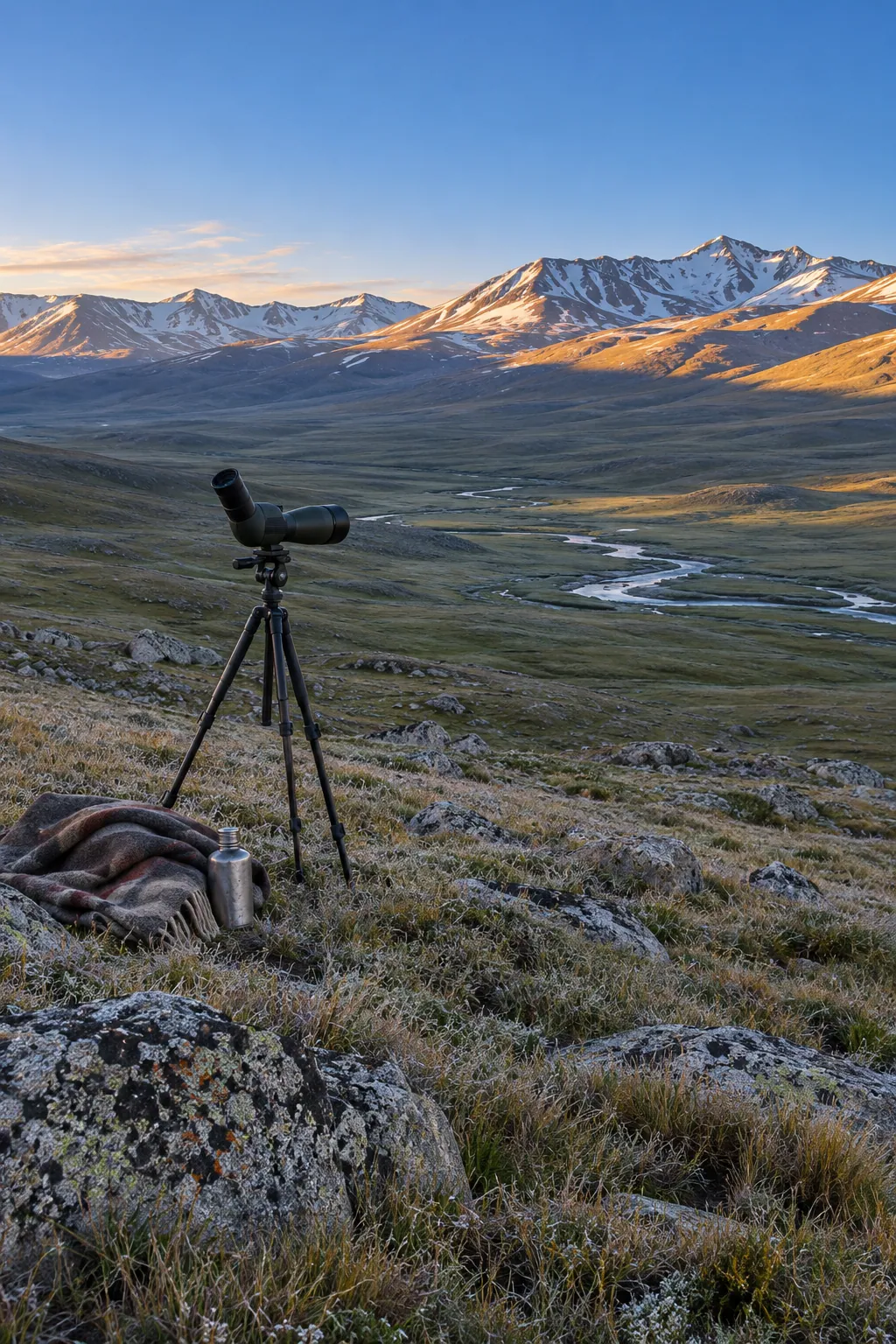
  2. A spotting scope on a tripod on a frosty ridge at dawn, aimed across a wide valley.

    026 days · August

    Bear Country

    Three dawns and three dusks behind a spotting scope with a park wildlife guard, in the side valleys above Bara Pani. Slow, cold and usually worth it.

    USD 1,240 per person

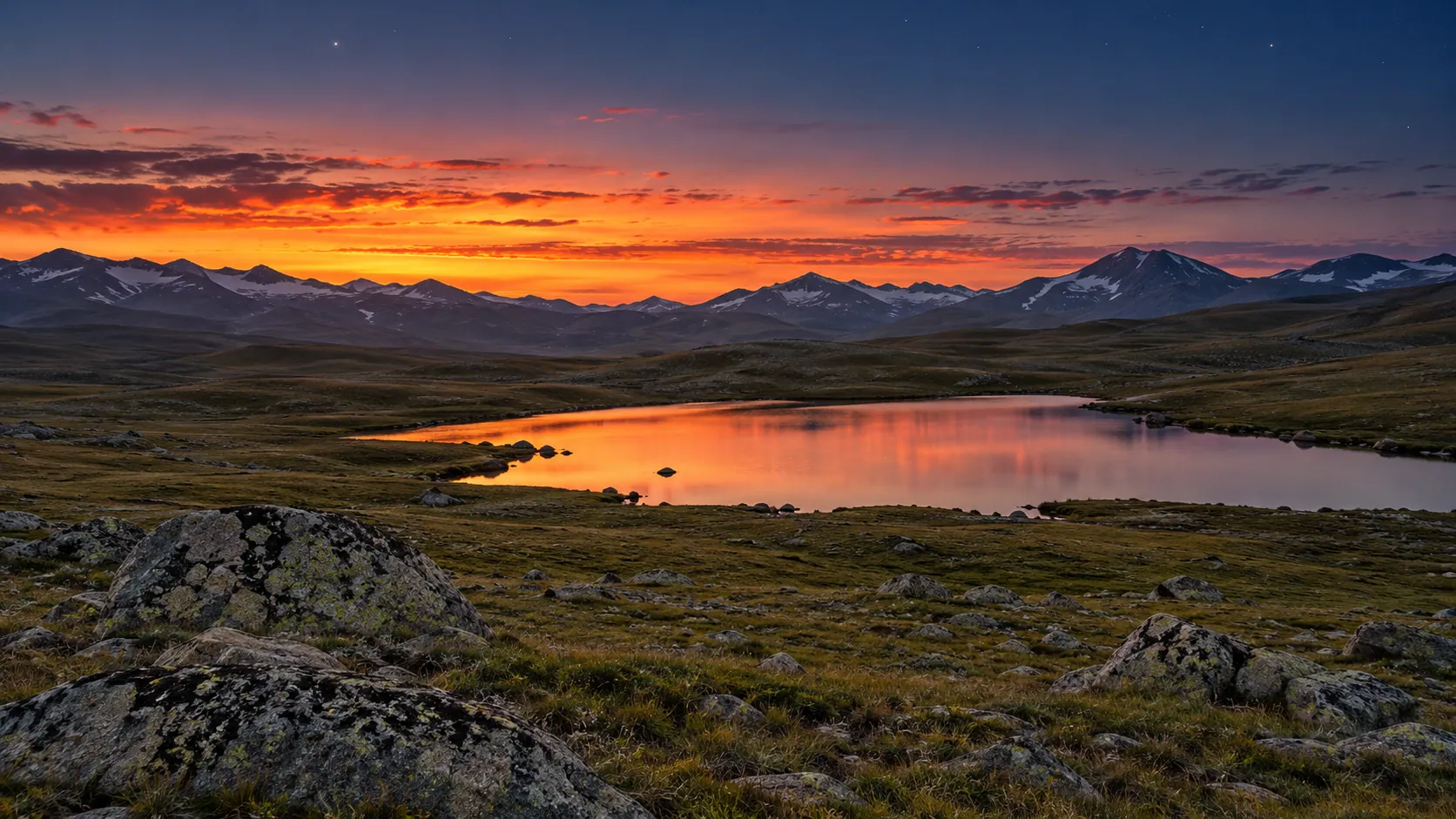
  3. The last band of orange sunset over dark hills and a still tarn, with the first stars above.

    034 days · each new moon

    Dark Sky

    Two nights at Sheosar under the darkest sky you are ever likely to stand beneath. Bring a tripod. We bring the tea.

    USD 760 per person

Skardu to Astore, a hundred and sixty kilometres.

Elevation profile of the jeep track · approximate

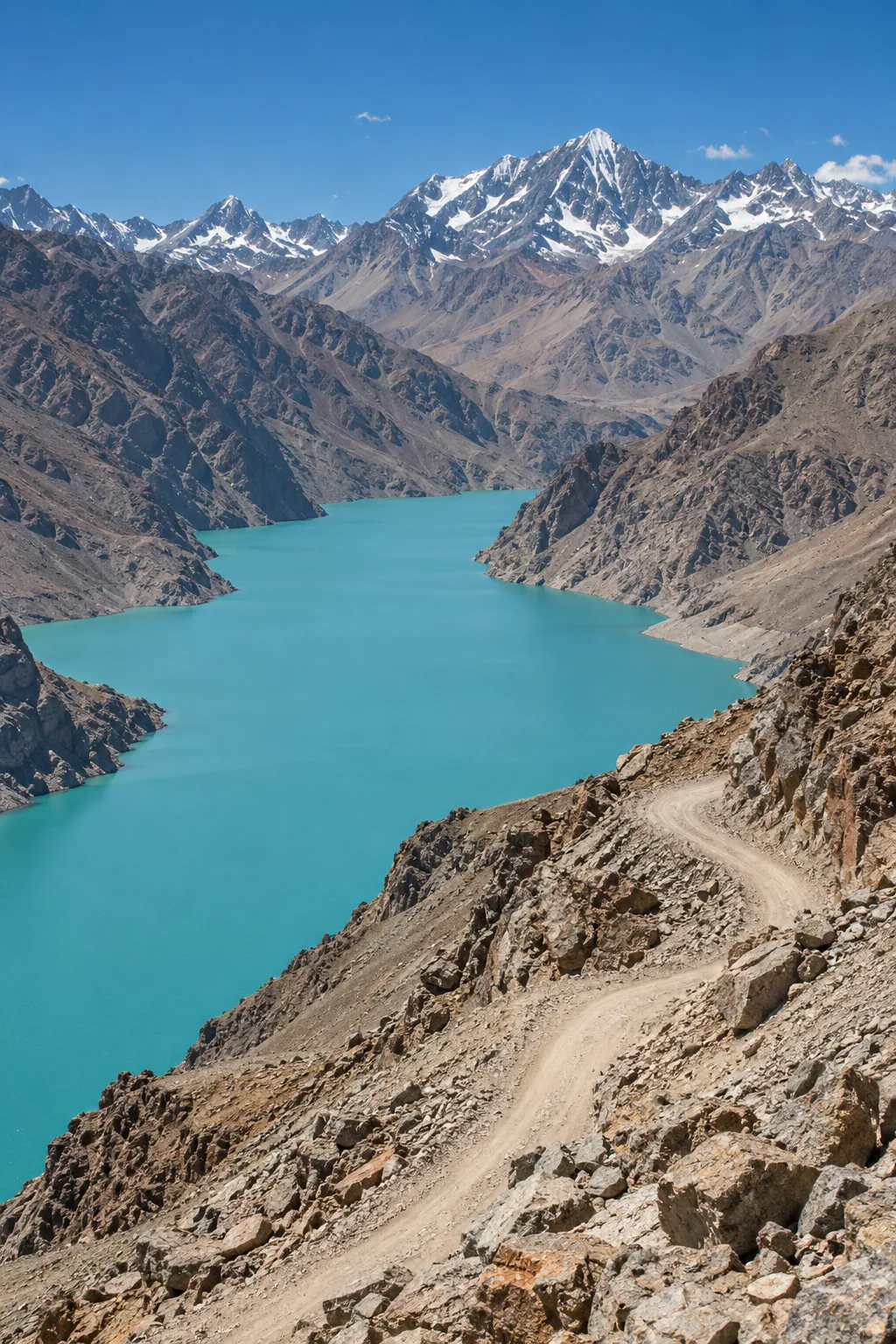
Sadpara Lake, turquoise between bare rock walls, with the jeep track cut into the slope above it.
Km 9 · Sadpara Lake
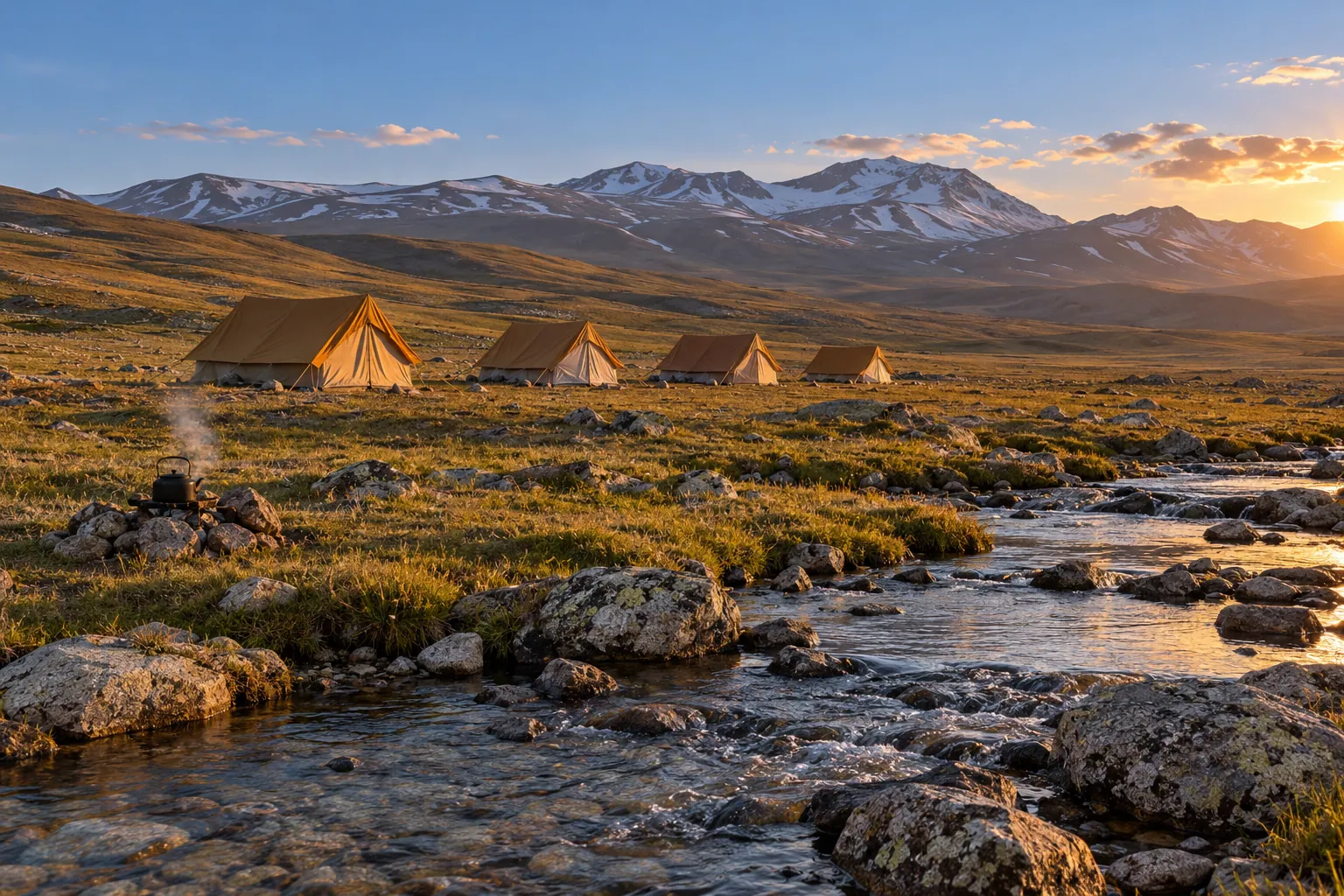
    Four low canvas tents beside a stream at golden hour, a kettle smoking on a stone hearth.
    Bara Pani camp, 18:50

    18:50Camp

    Four tents, one kettle, no signal.

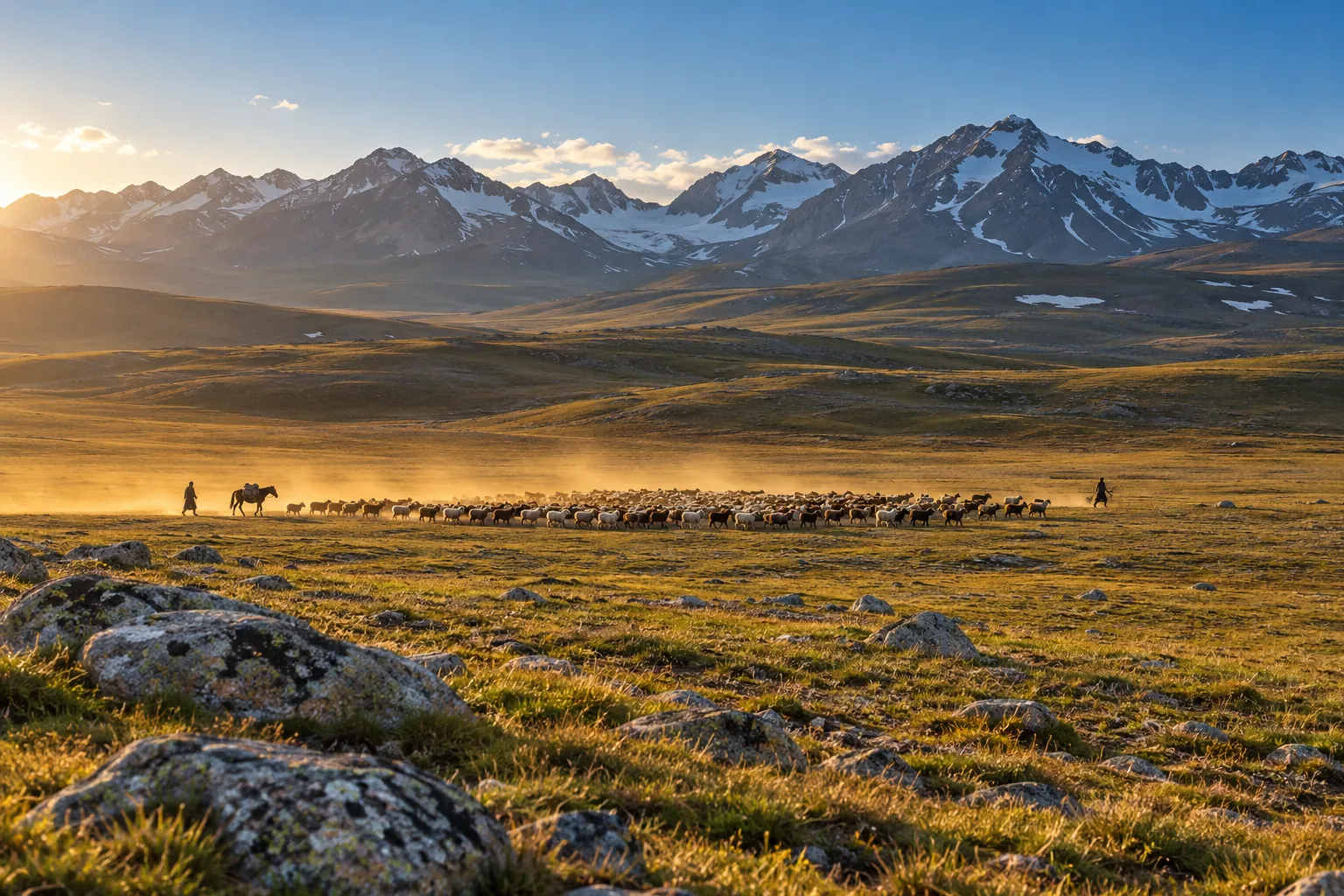
    Camp is up before you arrive. Dinner is dal, rice and whatever came up from Skardu that week, eaten in every layer you own. The herders who summer here with their flocks sometimes walk over to compare weather.

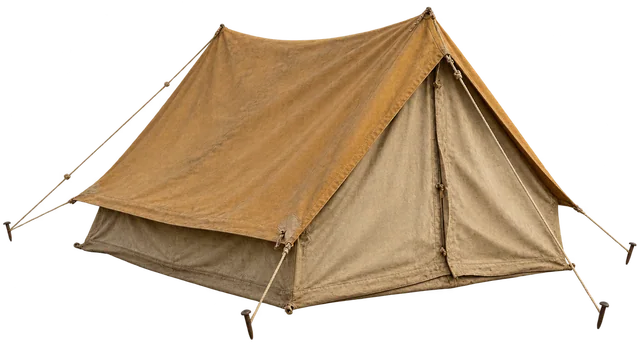
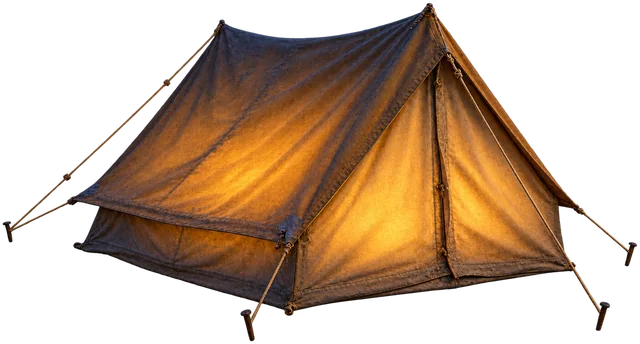
    • Canvas ridge tents, two to a tent
    • Bags to −10°, foam and wool underneath
    • Kitchen tent, cook, bottomless chai
    • Satellite messenger, oxygen, a medic’s kit
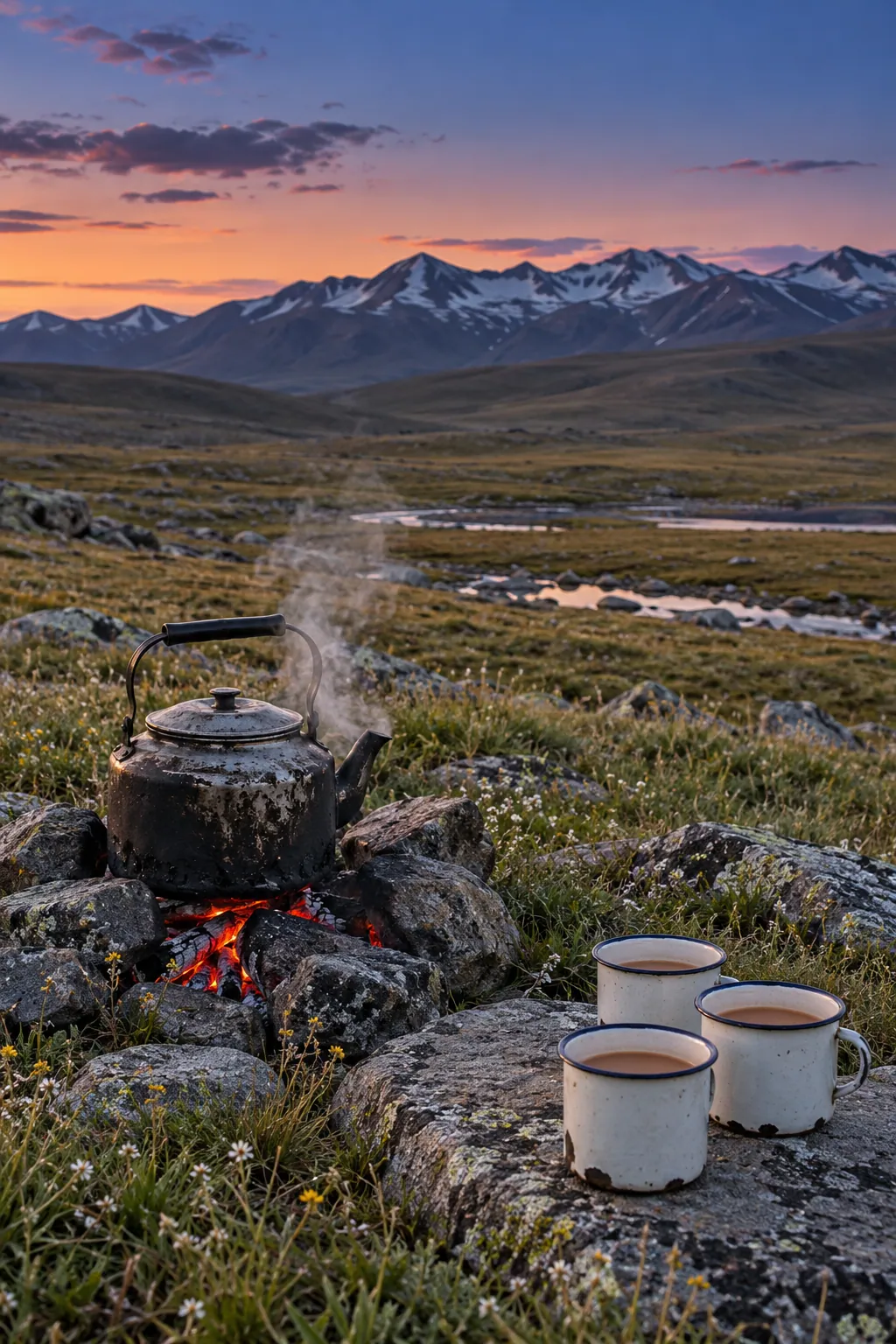
    A blackened kettle steaming on embers beside three enamel cups of milky tea.
    A distant flock of sheep and goats with two herders, the dust lit gold by evening sun.
    Summer herders, east of Kala Pani

    22:40Night

    The nearest streetlight is two thousand metres below you.

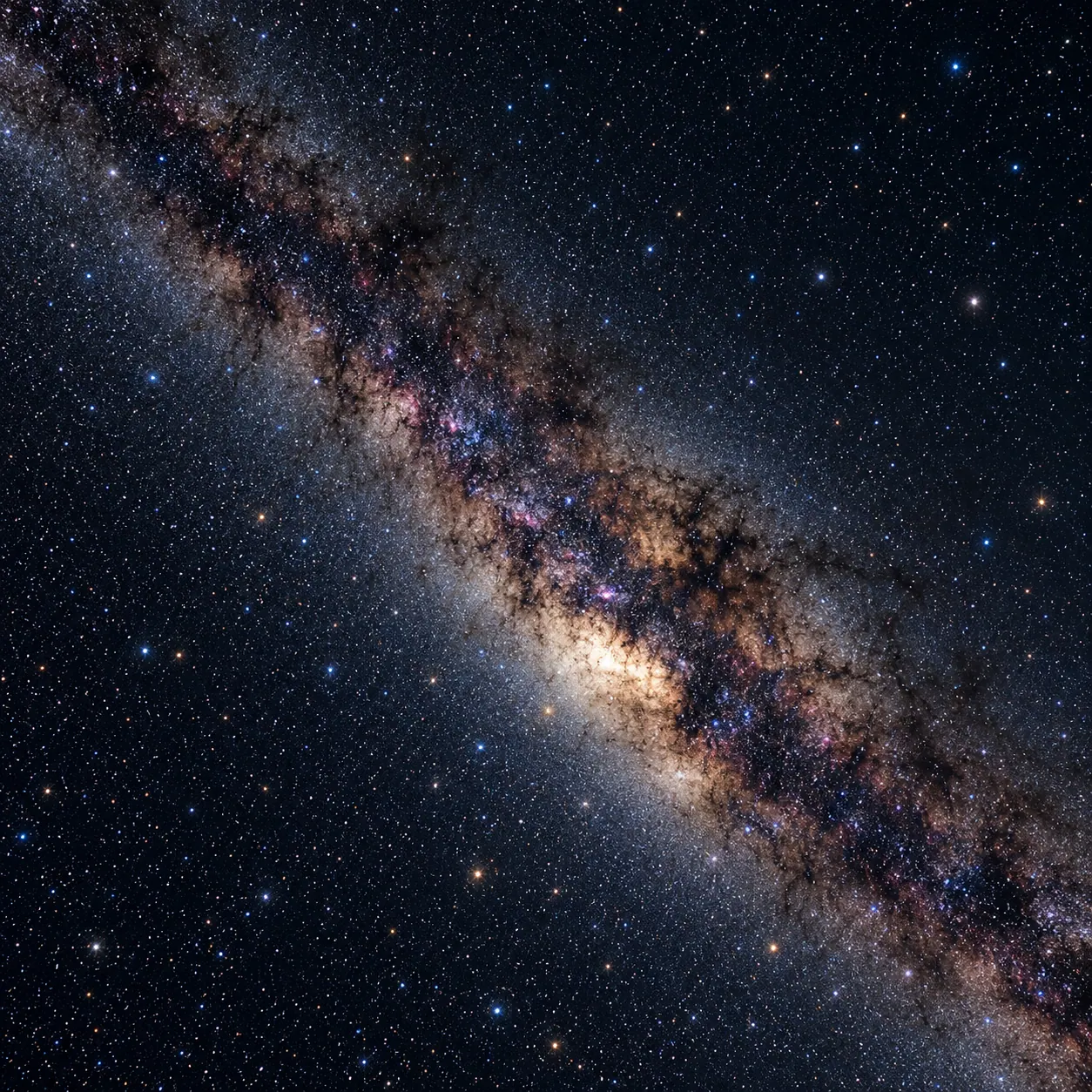
    When the kettle is empty there is nothing left to do but look up. No moon for half the month, no haze, hardly any air. The Milky Way is bright enough to see your hands by. People stop talking.

    23:20Dates

    Ask for a date.

    The road opens when the snow lets it, usually in the third week of June, and closes when it says so, usually by mid-October. We run eleven departures in between.

    today

    Road openFlowers

    Which crossing
    When, in 2027
    How many of you
    2

    Concept site. Nothing is sent or stored.