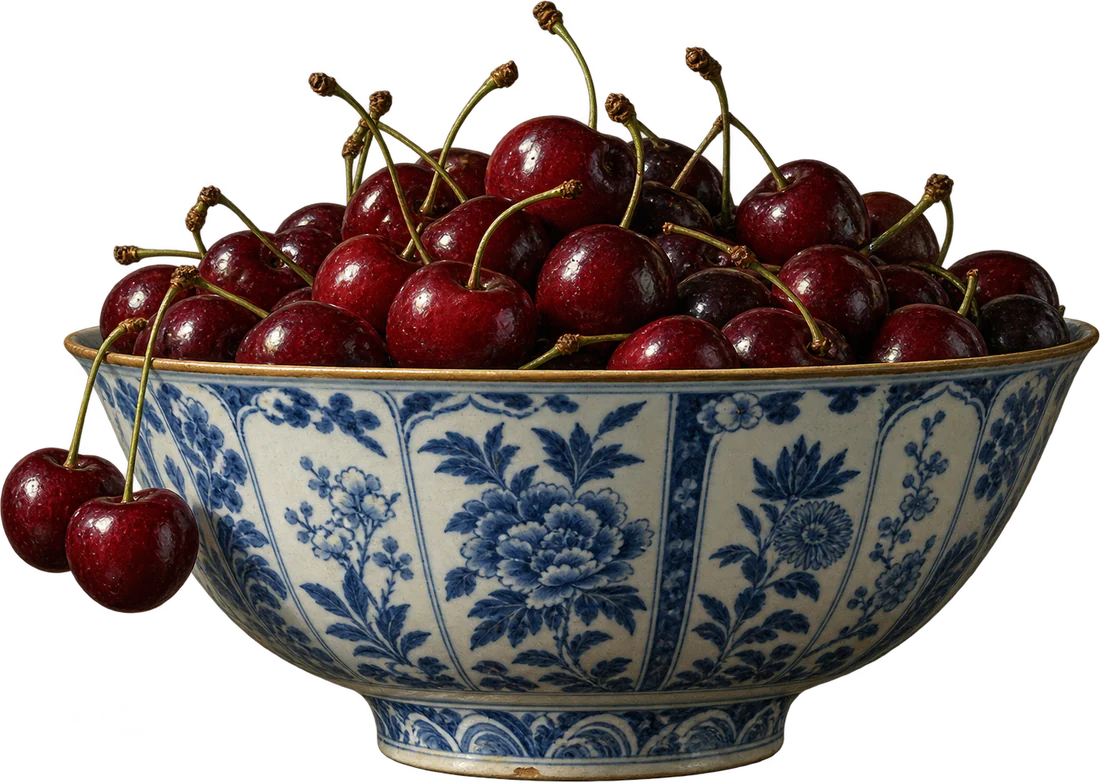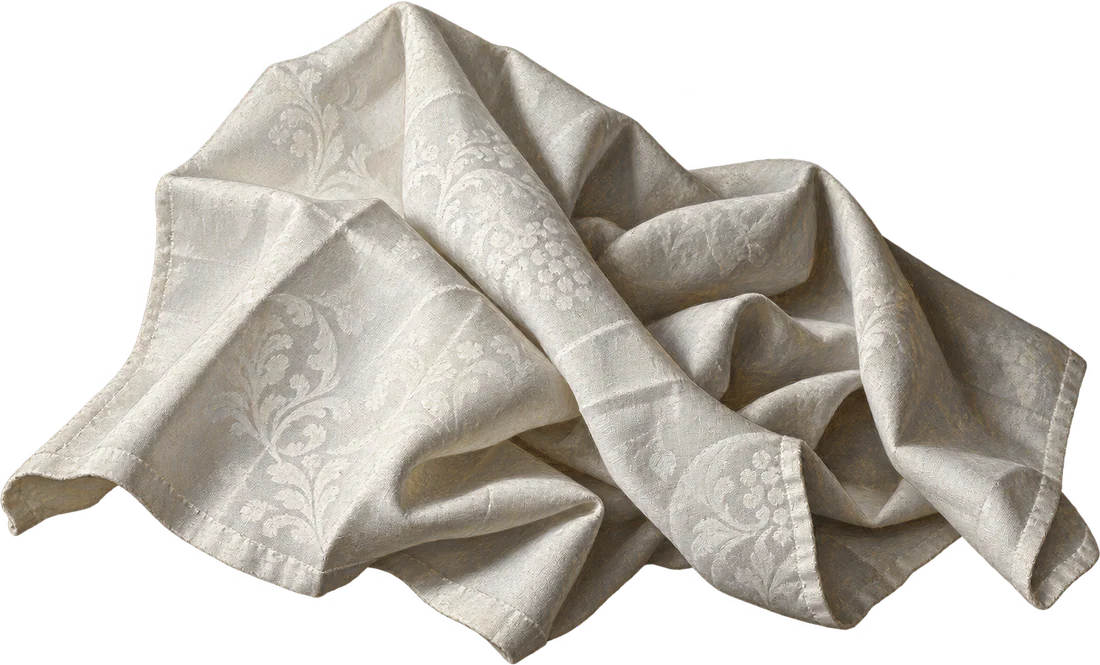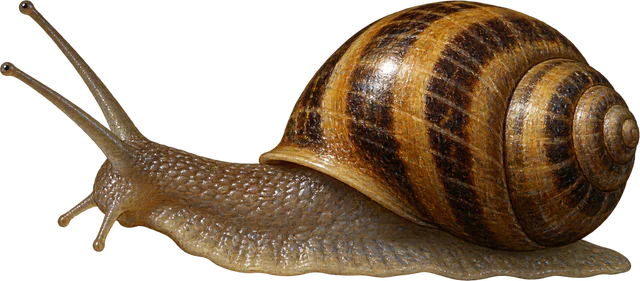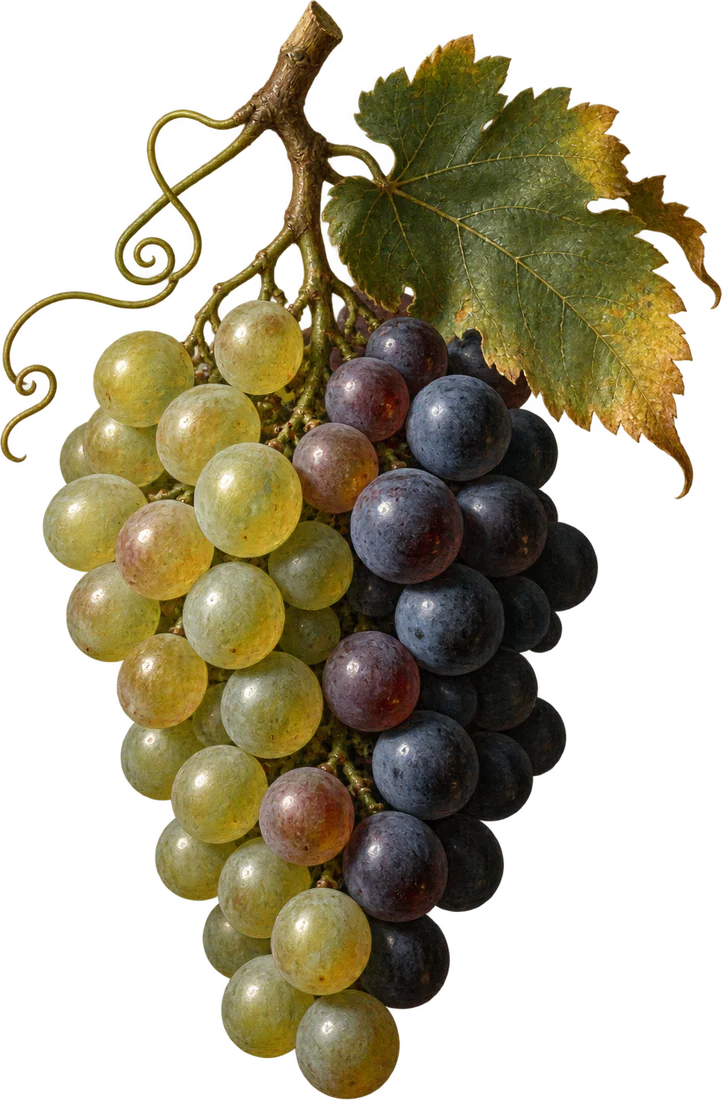

Lot 01
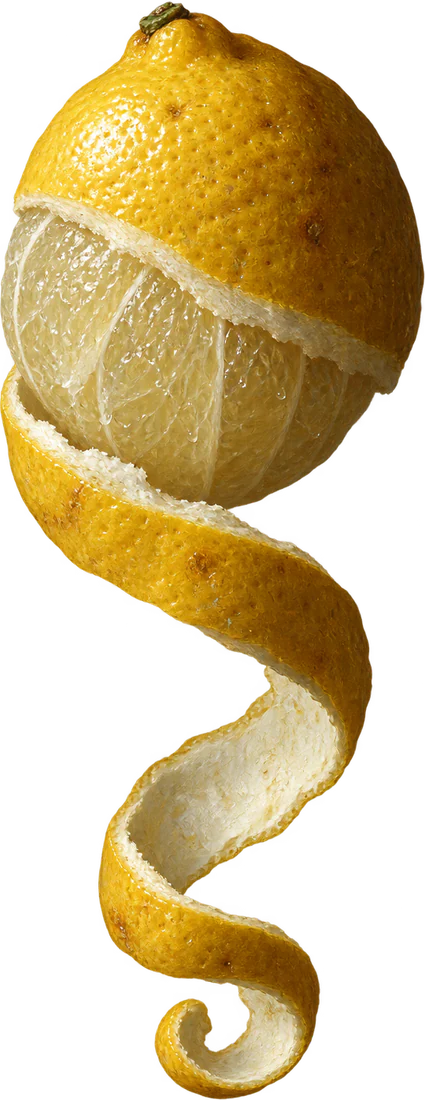
The peeled lemon
- In 1650
- Lovely to look at, sour to taste. A warning about luxury, and an excuse for the painter to show off.
- At our table
- Squeezed over the oysters. The warning has not worked once.
A still life, until you sit down.
Once a month we lay one table the way Willem Heda painted his in 1648. Twelve guests arrive at dusk. By dawn there is nothing left to paint.
Scroll to begin eatingpronk /prɔŋk/ Dutch, noun & verb. Display; to show off. A pronkstilleven is a still life painted to flaunt what the owner could afford to let go cold.
stayed half-peeled. The oysters
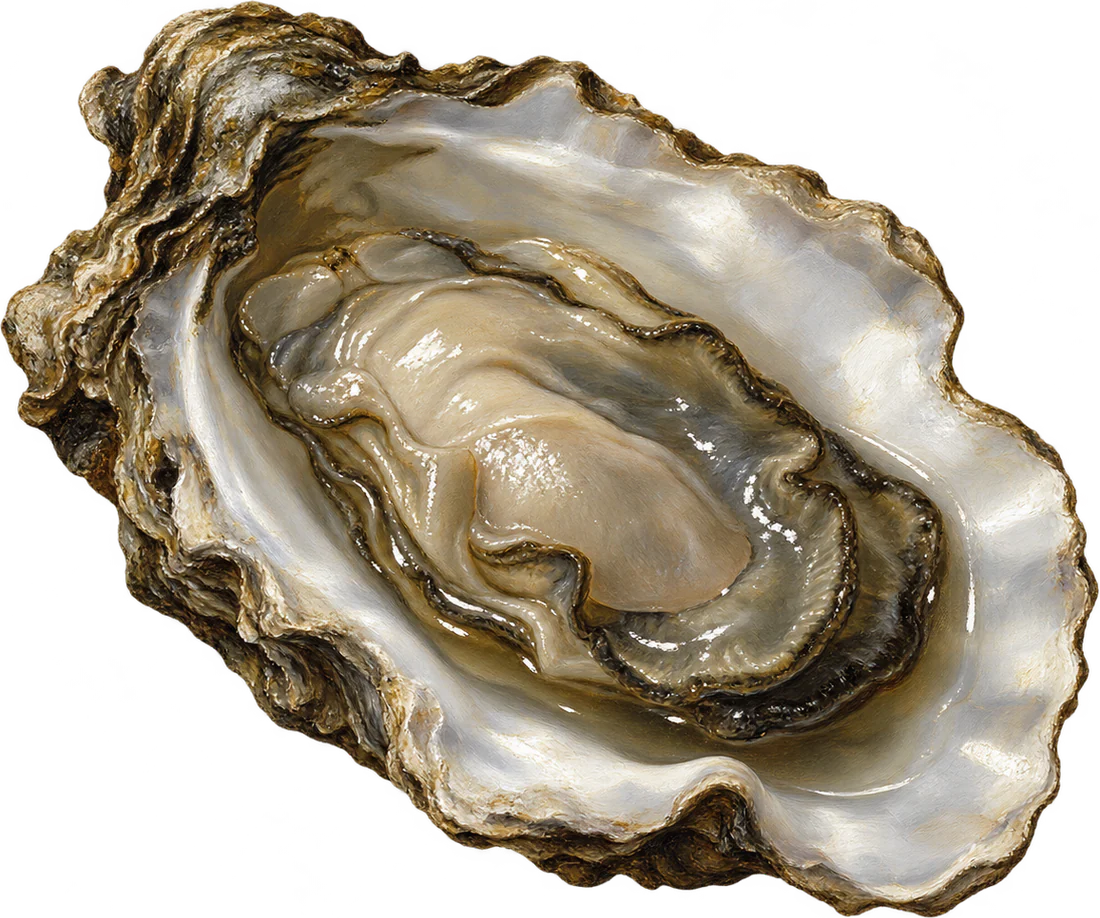 stayed open. The glass
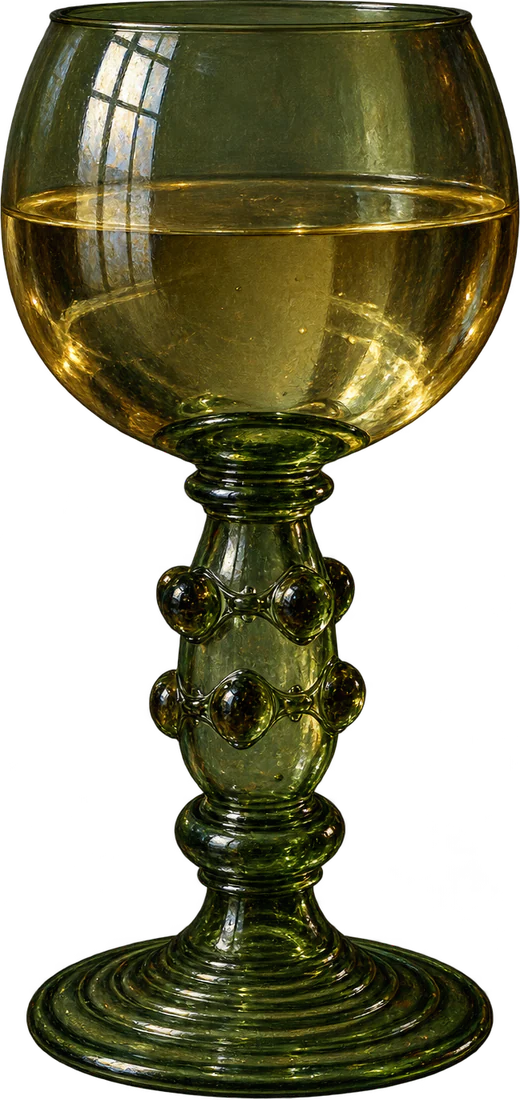 stayed full. We think that is a terrible waste of a lemon.
Every table is arranged by a painter, object by object, over two days. Light from the left. One thing always about to fall.
At twenty to six the finished table sits for its portrait. That picture is the only menu you will get, and it hangs in the hall for a month.
At six the painter leaves the room and twelve of you sit down. Nobody serves. Nobody clears. What you can see is what there is.
The Supper — Nº 42
Two days to compose, twenty minutes to paint, one night to eat. Keep scrolling. It is rude to stare at food this long.
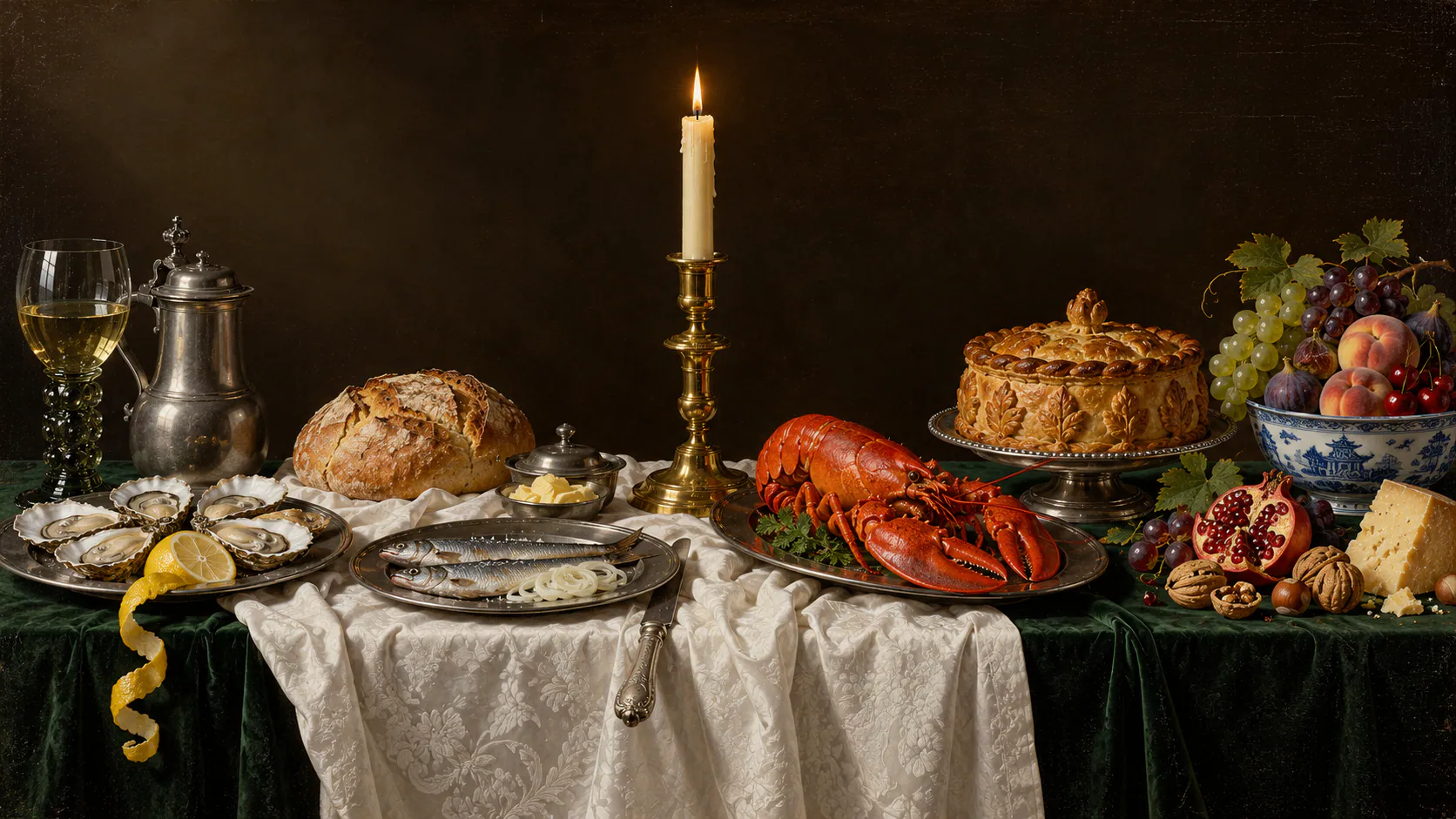
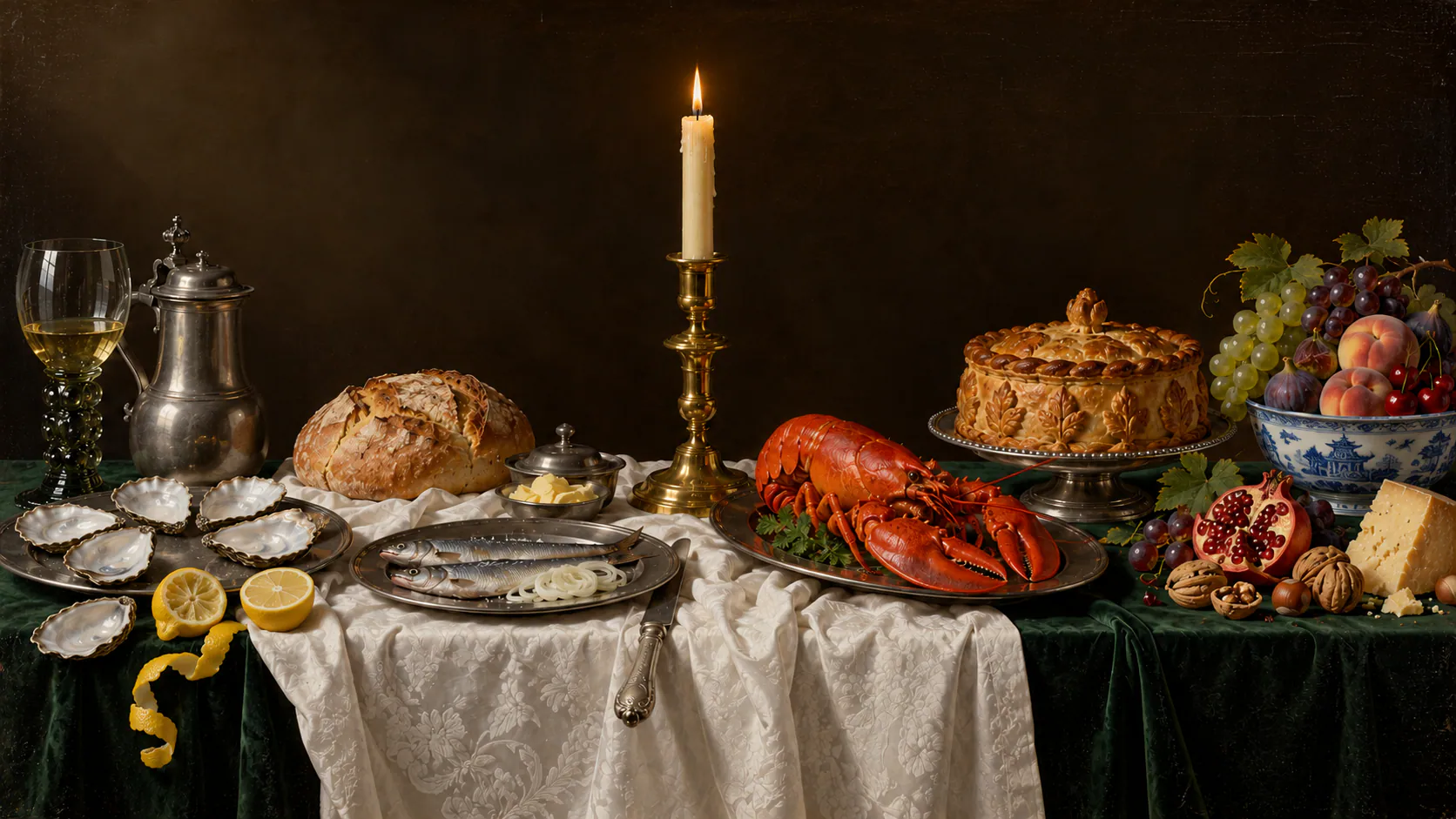
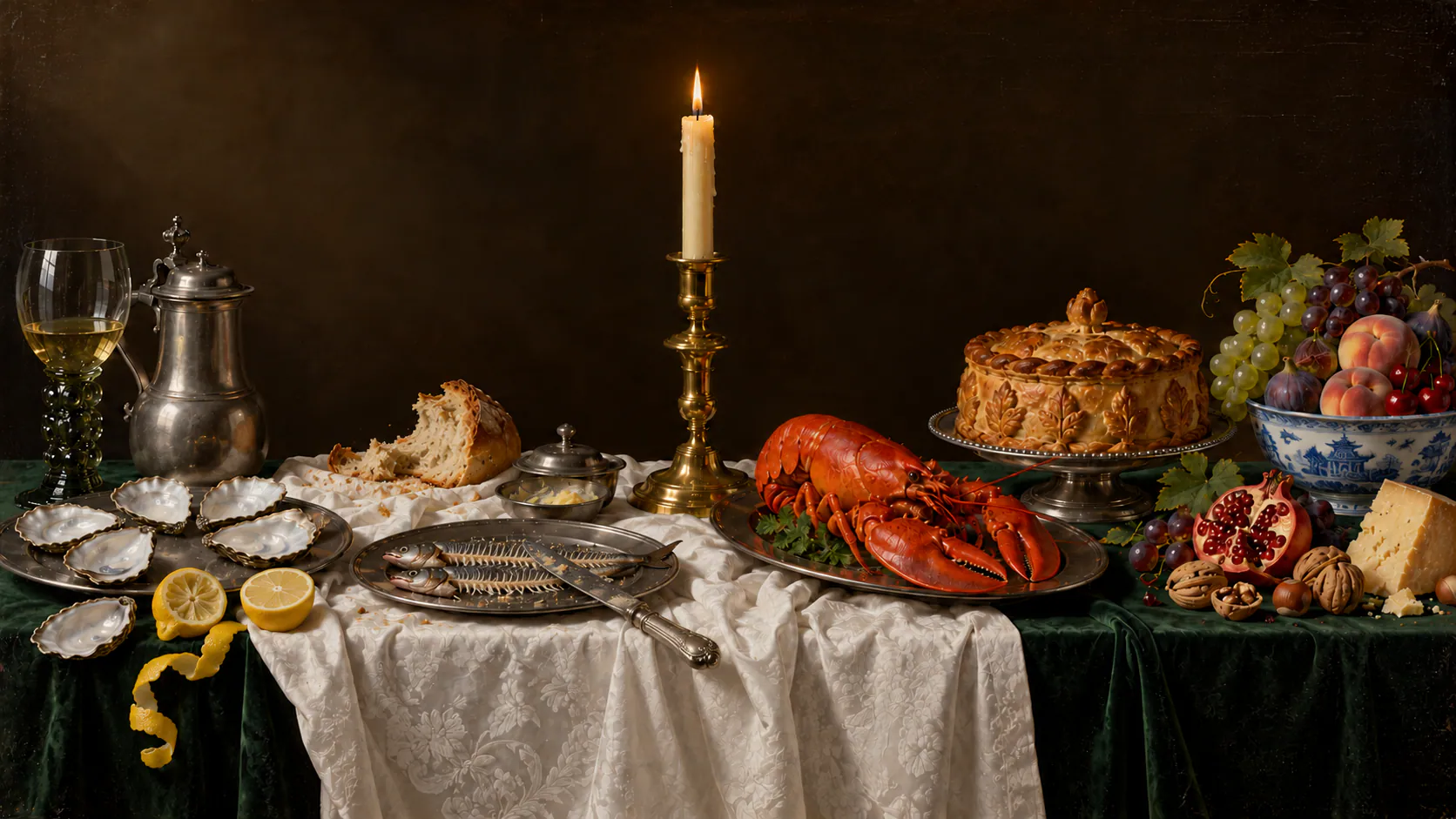
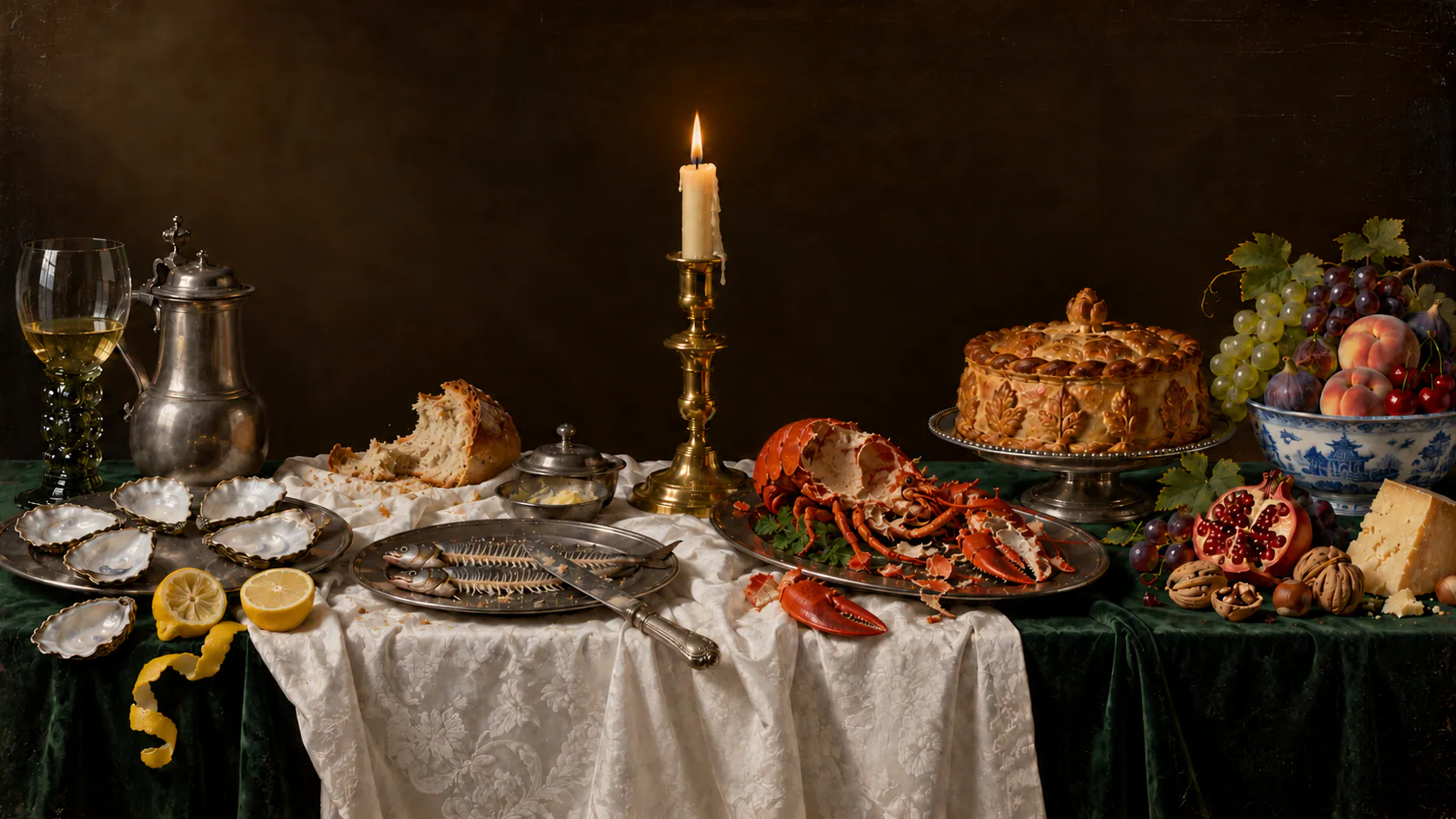
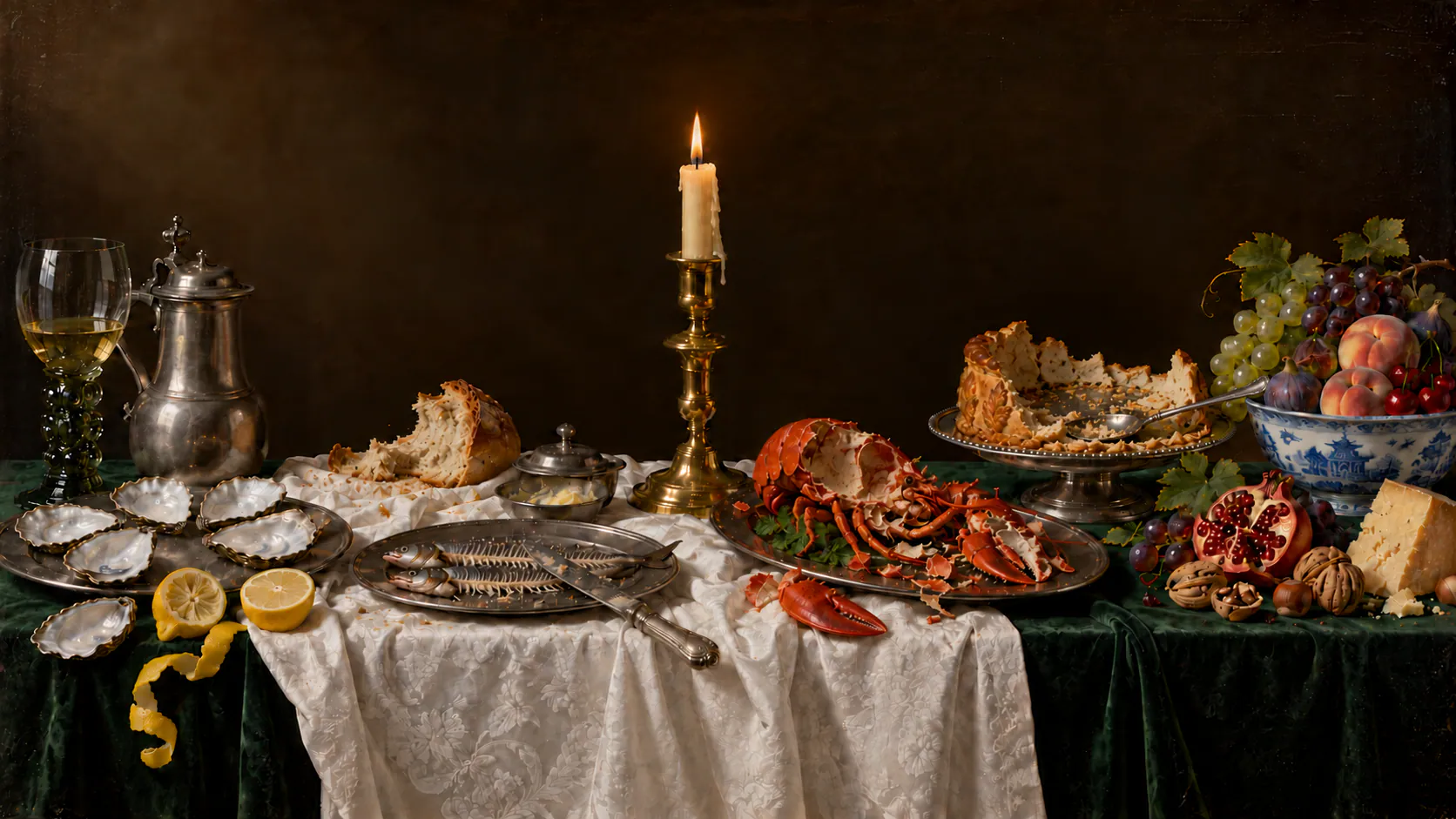
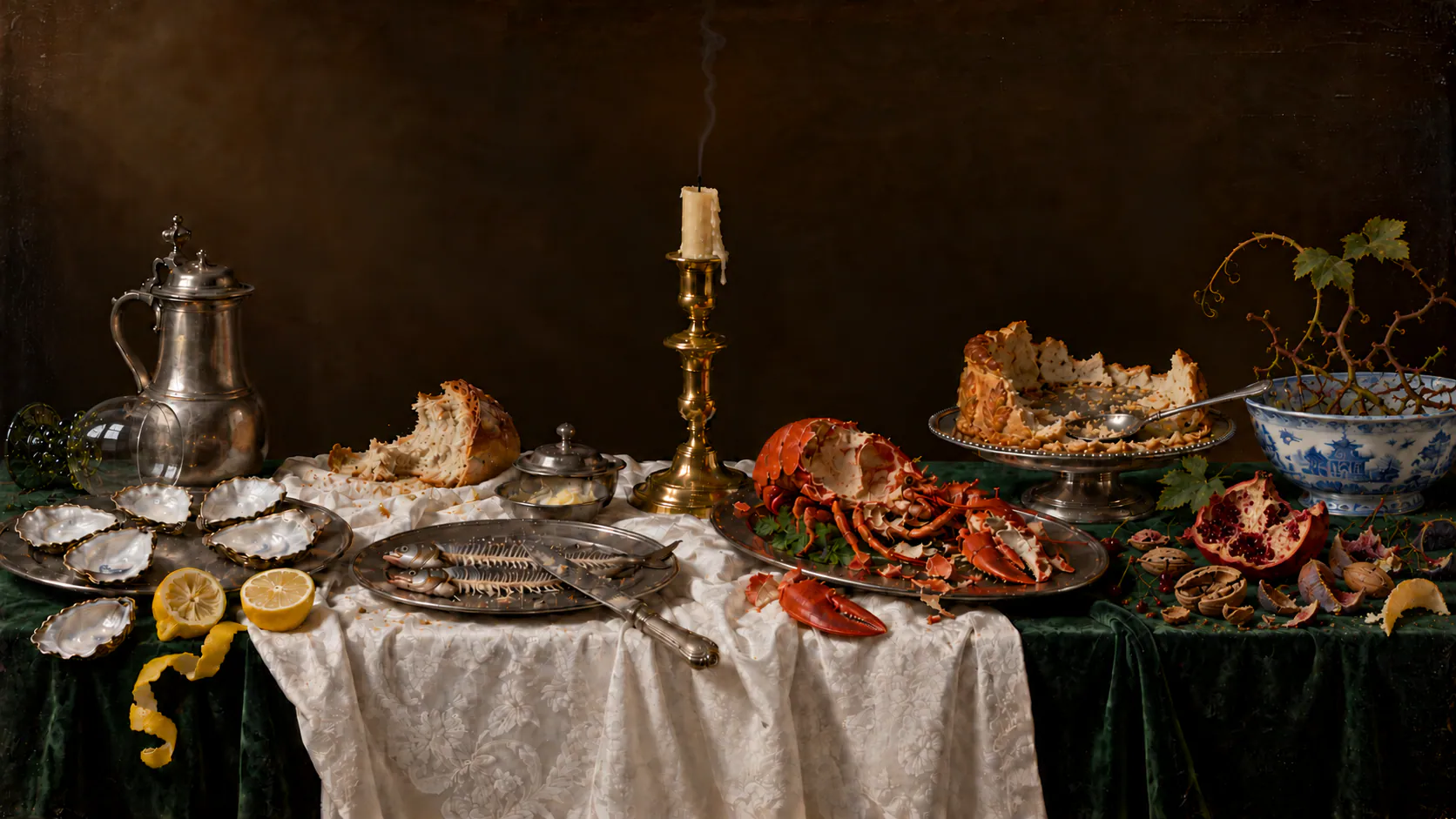
Fig. 1 The table at 17:40, before you. Oil on panel.Scroll to sit down
Fig. 2 The same table at 05:52. Crumbs on panel.Twelve hours, twelve guests
Portrait taken 17:40
Everything is still where the painter put it. Look while you can.
IFirst course — 18:00
Six Zeeland flats on pewter. The lemon arrives half-peeled, as it has been since 1648. You are the first person in four centuries permitted to finish the job.
Left on the table — six shells, one rind
IISecond course — 19:20
A sober course, as the Calvinists would have wanted. Torn, not sliced. The knife has been hanging over the edge of the table all evening, asking to be picked up.
Left on the table — two backbones, a heel of crust
IIIThird course — 21:05
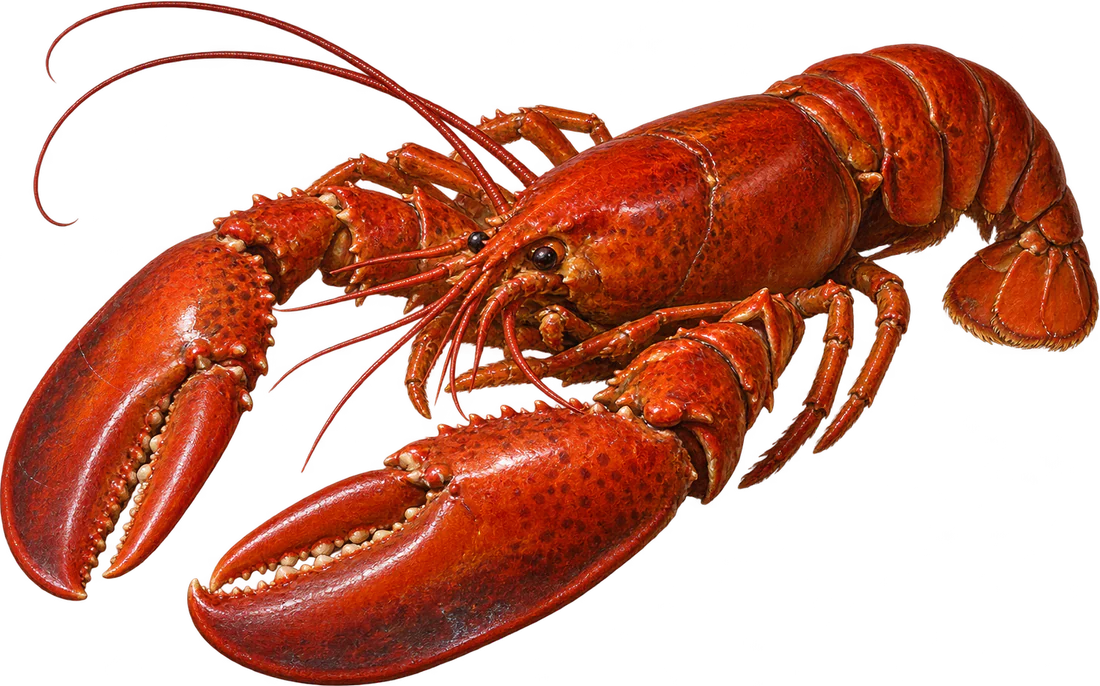
Boiled at five, painted at twenty to six, eaten at nine. In the old pictures it stood for a world turned backwards. Here it means roll up your sleeves.
Left on the table — armour
IVFourth course — 23:30
Hare, prunes and mace behind a wall of pastry built to be looked at. It took two days to raise. It takes about eleven minutes to bring down.
Left on the table — rubble, one spoon
VFifth course — 02:10
The candle is a third of itself and nobody is using a plate. Figs, grapes, a Gouda old enough to vote. Somebody will knock over the glass. Somebody always does.
Left on the table — stalks, stones, shells
Second portrait taken 05:52
The candle is out. So, more or less, are you.
05:52 — Dawn
We open the shutters, put out bread and the butter you did not finish, and paint the table once more: the same picture, twelve hours older. That one you take home.
The Inventory — ten lots
Every object was a small sermon about how short life is and how badly you are spending it. We have kept the objects and edited the sermons.
Keep scrollingSwipe
Lot 01
Lot 02
Lot 03
Lot 04
Lot 05
Lot 06
Lot 07

Lot 08
Lot 09
Lot 10
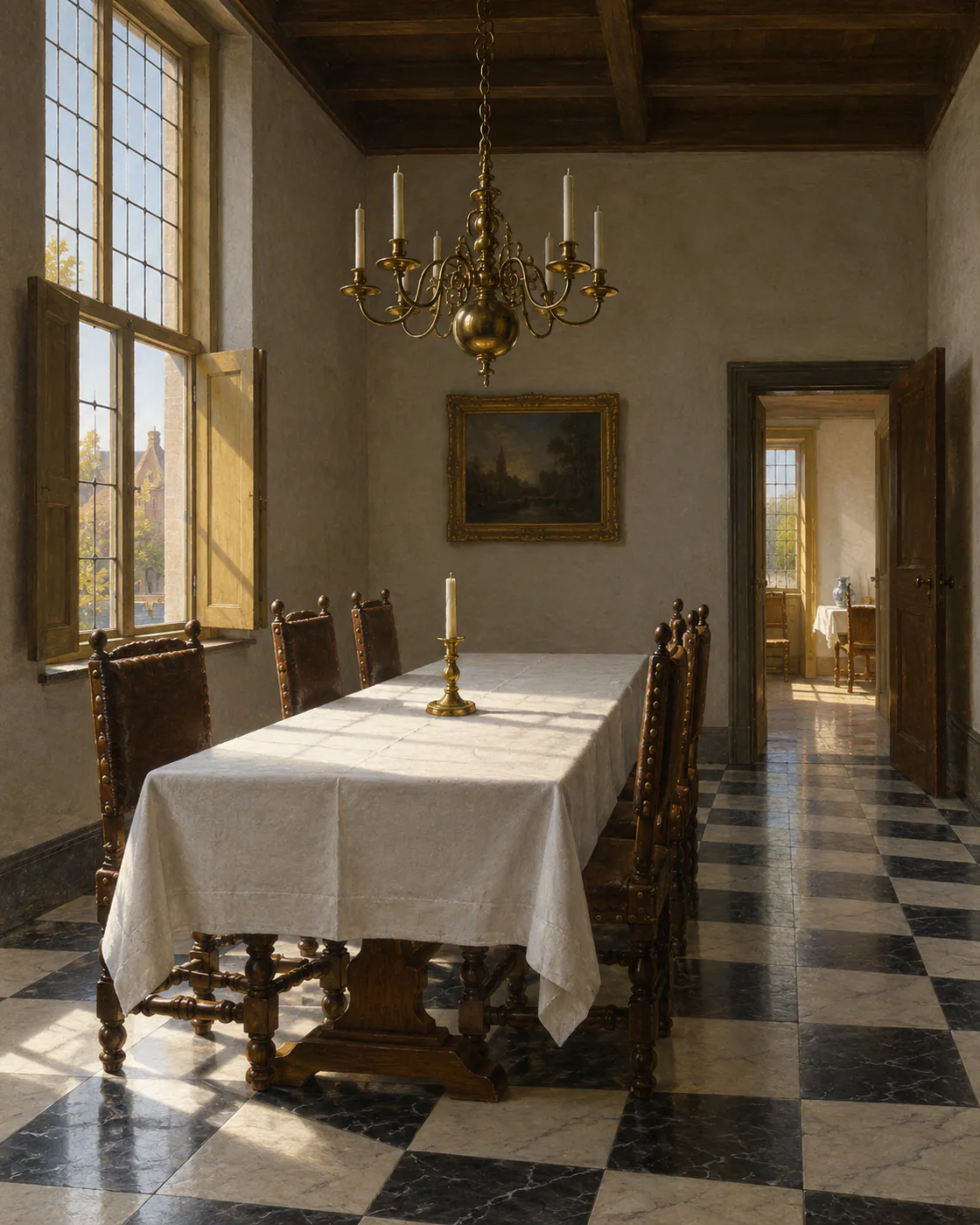
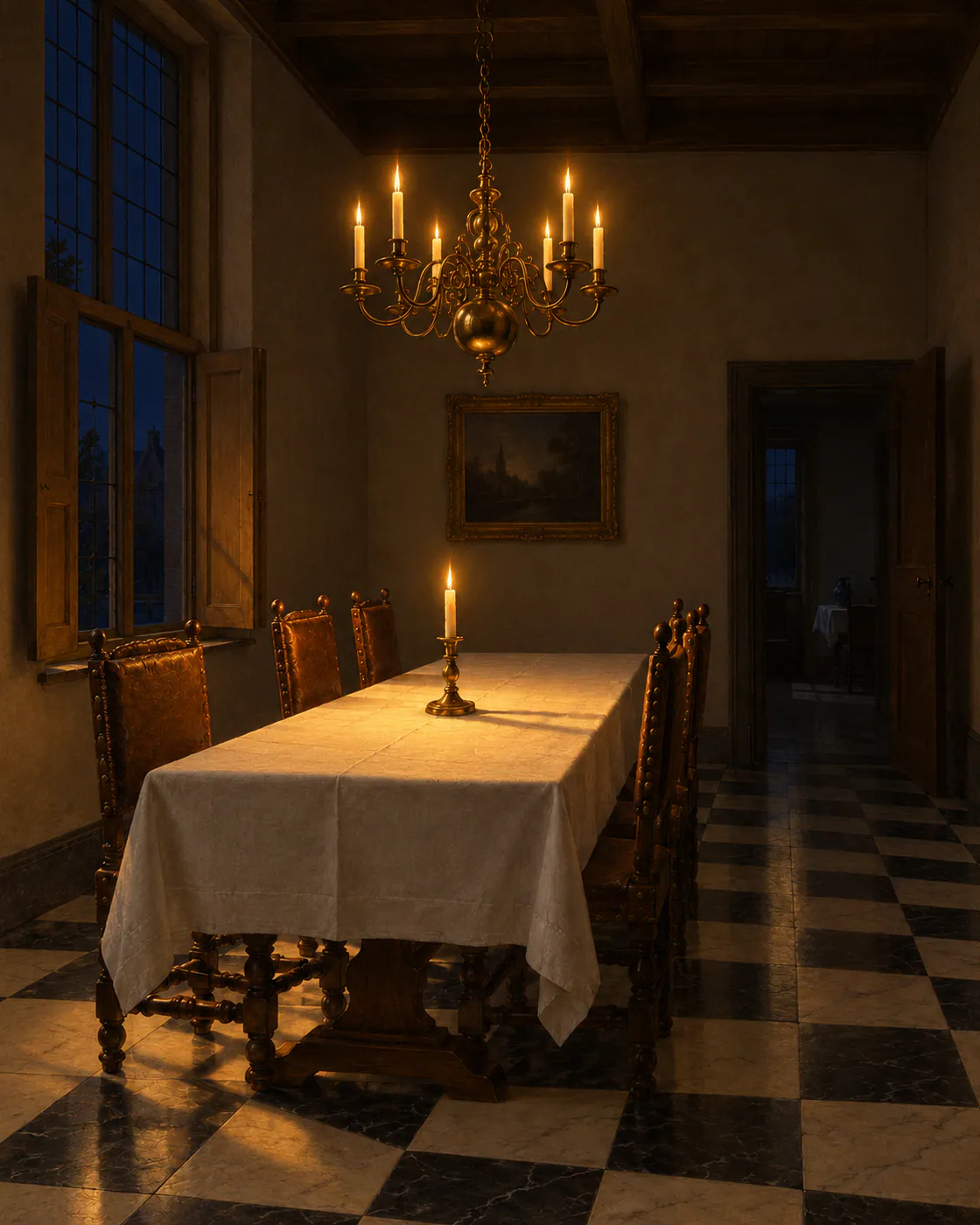
The room at 15:00The room at 21:00
The House
A merchant’s house on the Bakenessergracht, built in 1642 and not much improved since. The window faces west, for the light at twenty to six. There is no kitchen you can see and no music you can hear.
Arrive at dusk. The table is still sitting for its portrait. You may look. You may not touch.
There is no menu. If you can see it, you can eat it.
No phones on the linen. The table has been painted enough for one day.
Nobody clears. What is eaten stays where it fell.
We end when the candle does.
Past Tables
Each supper leaves two paintings and no leftovers. Drag across a table to eat it again.
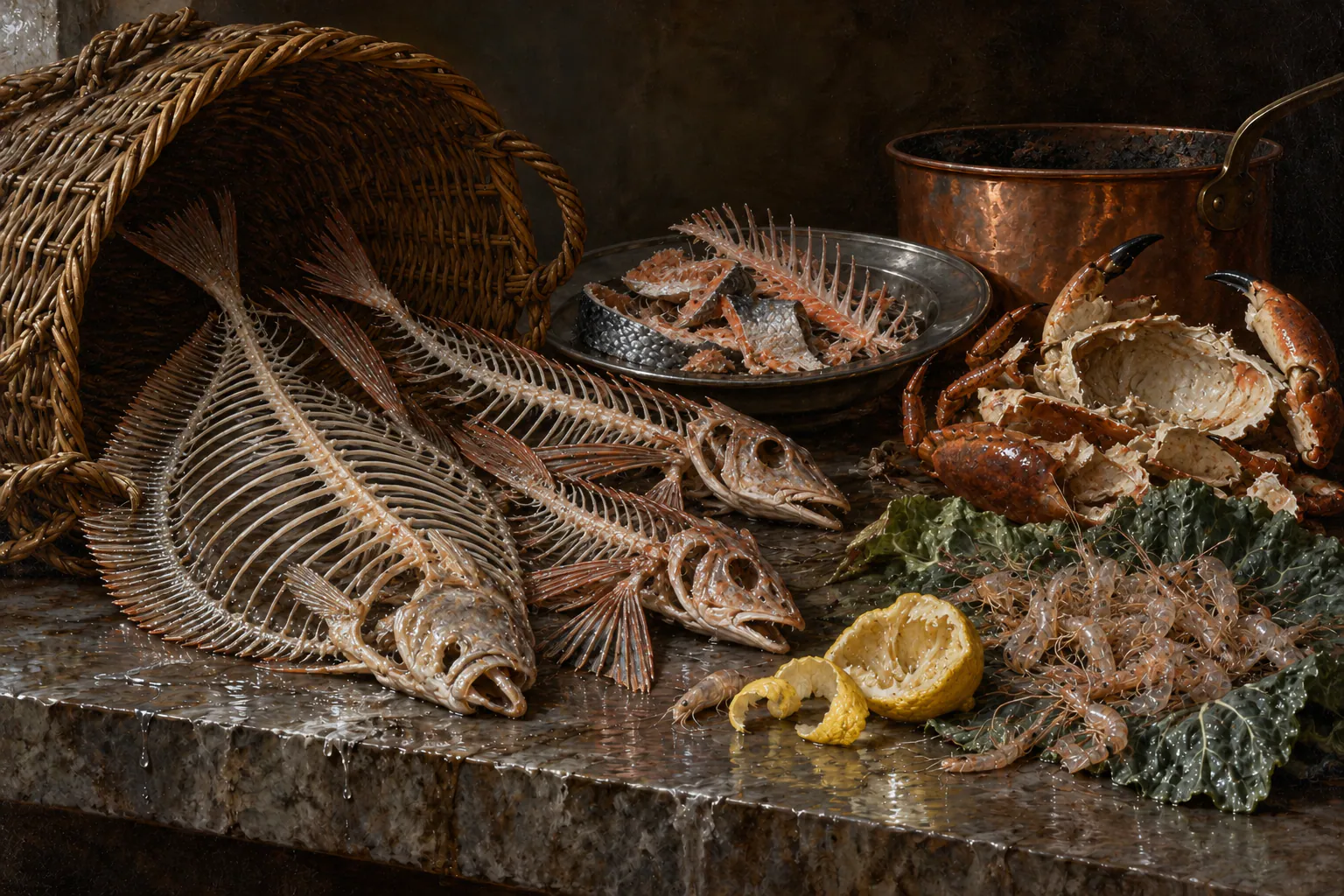
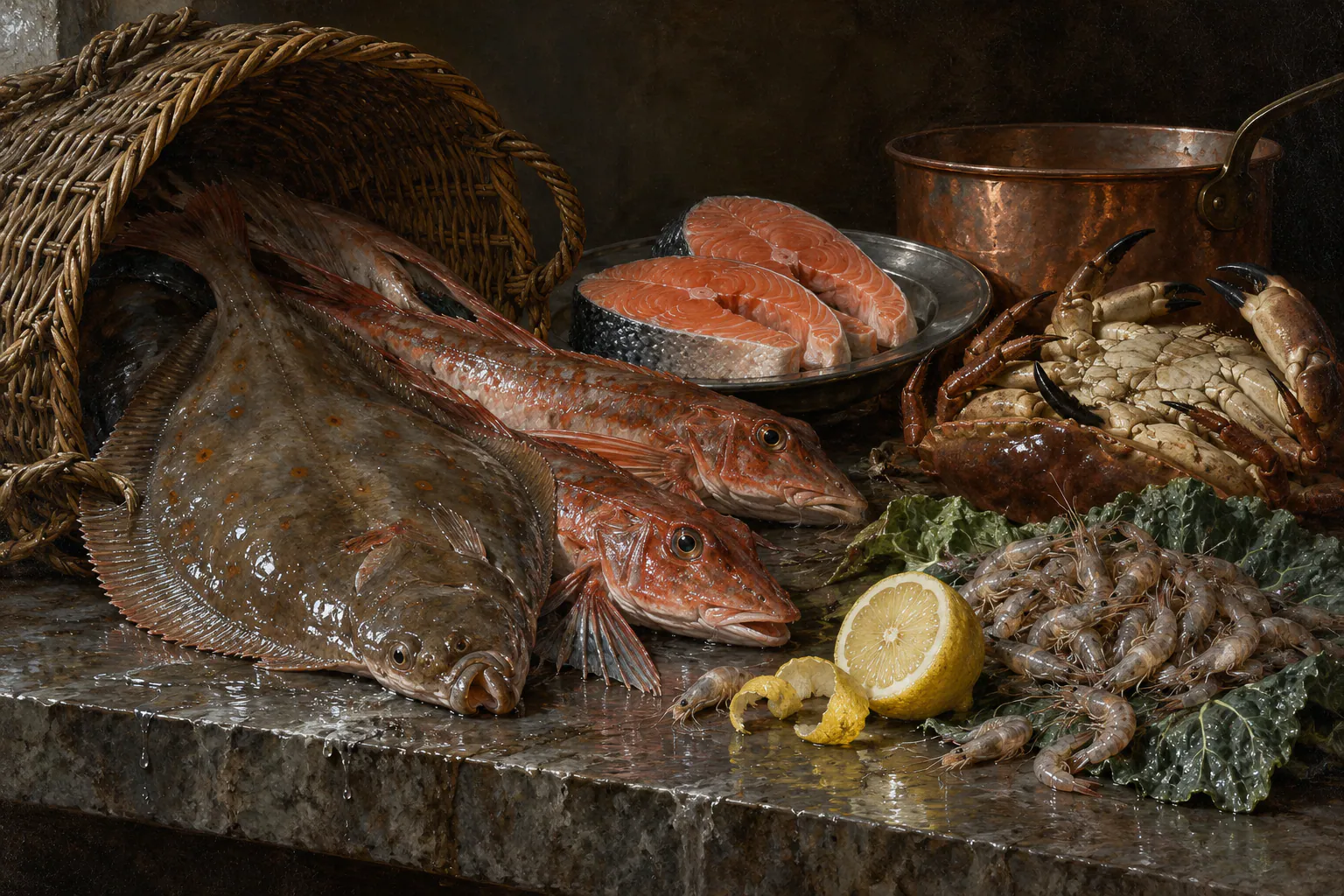
Nº 41 — October
After Abraham van Beijeren. Left on the table: four skeletons and a scorched pan.
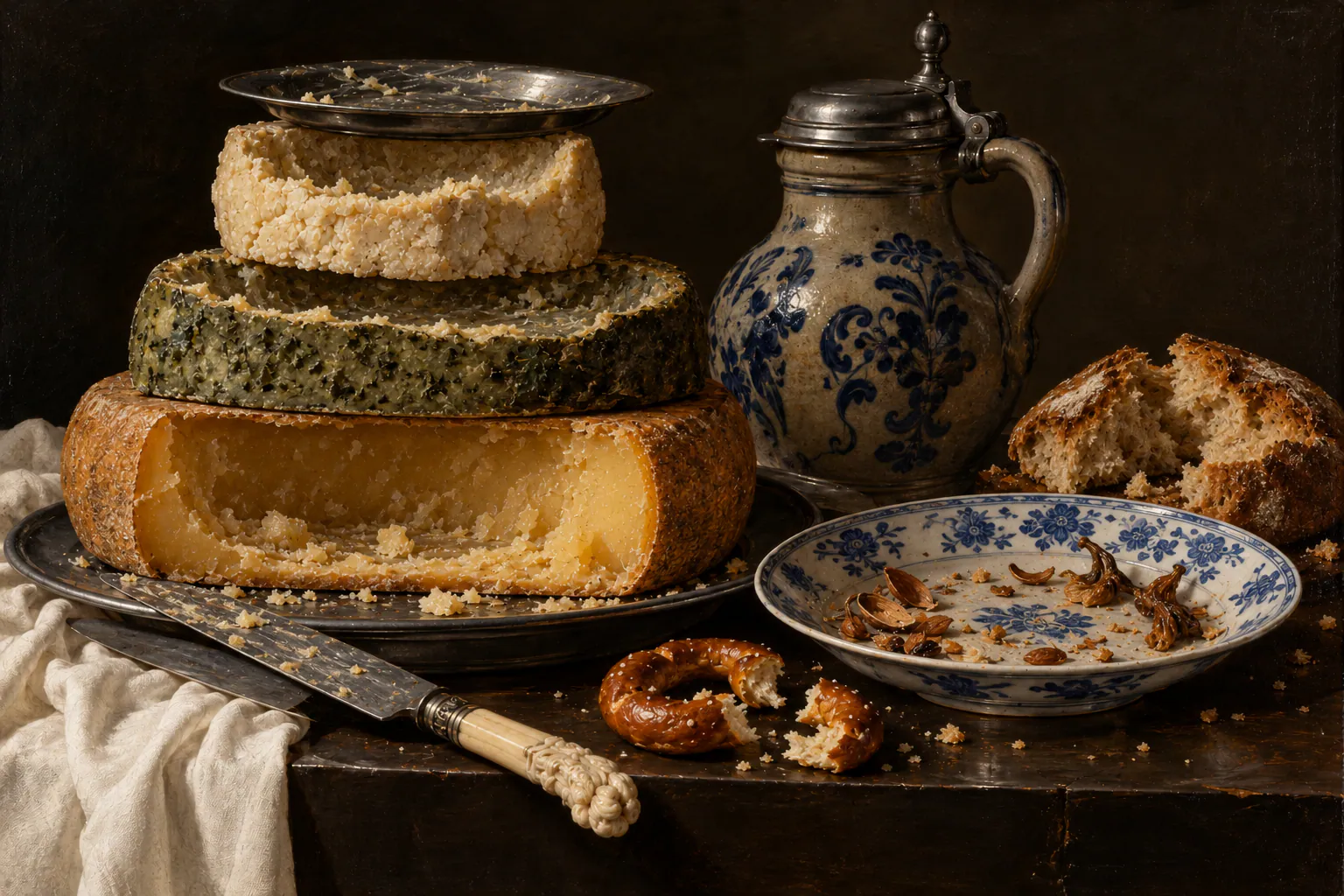
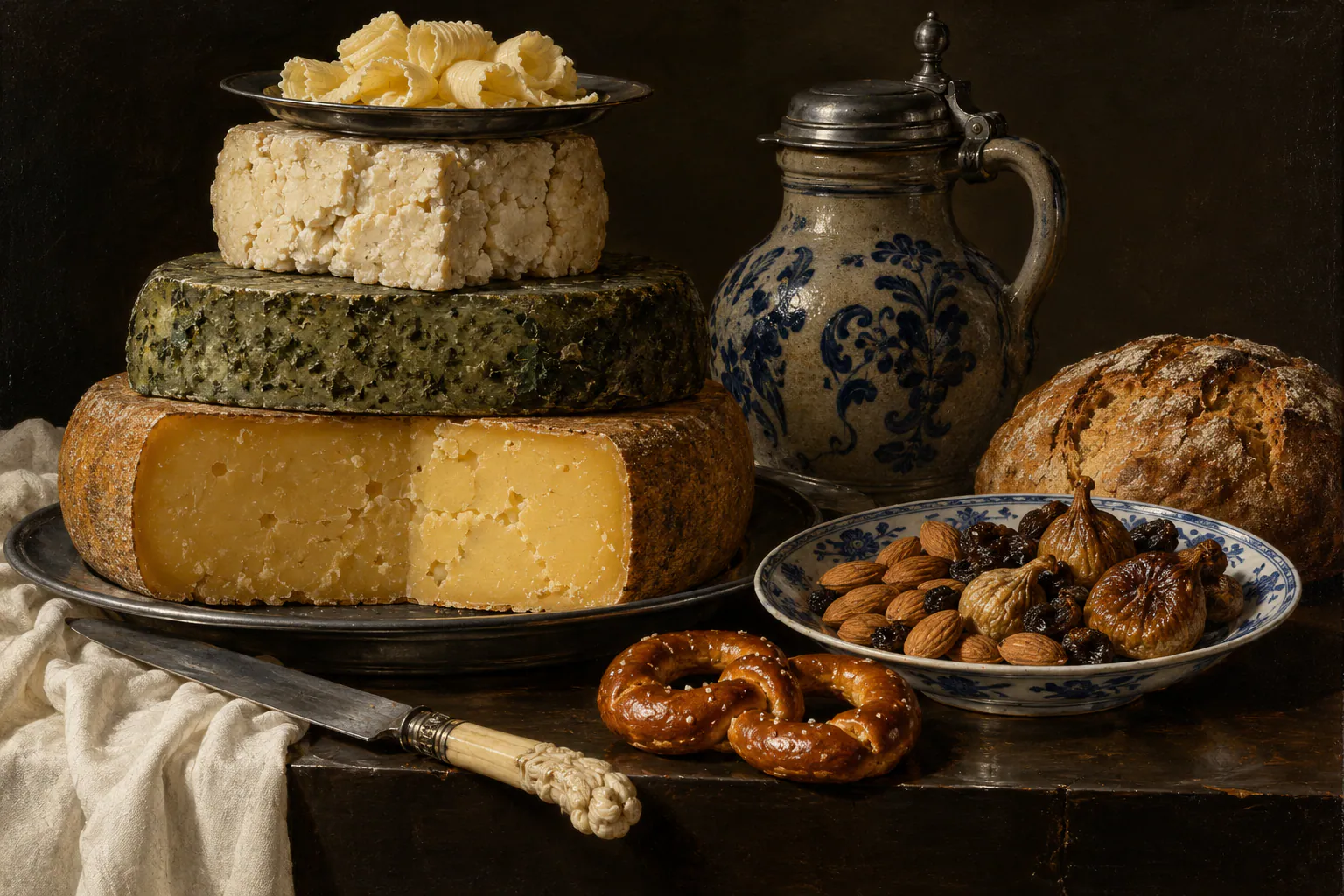
Nº 40 — September
After Clara Peeters. Left on the table: rind.
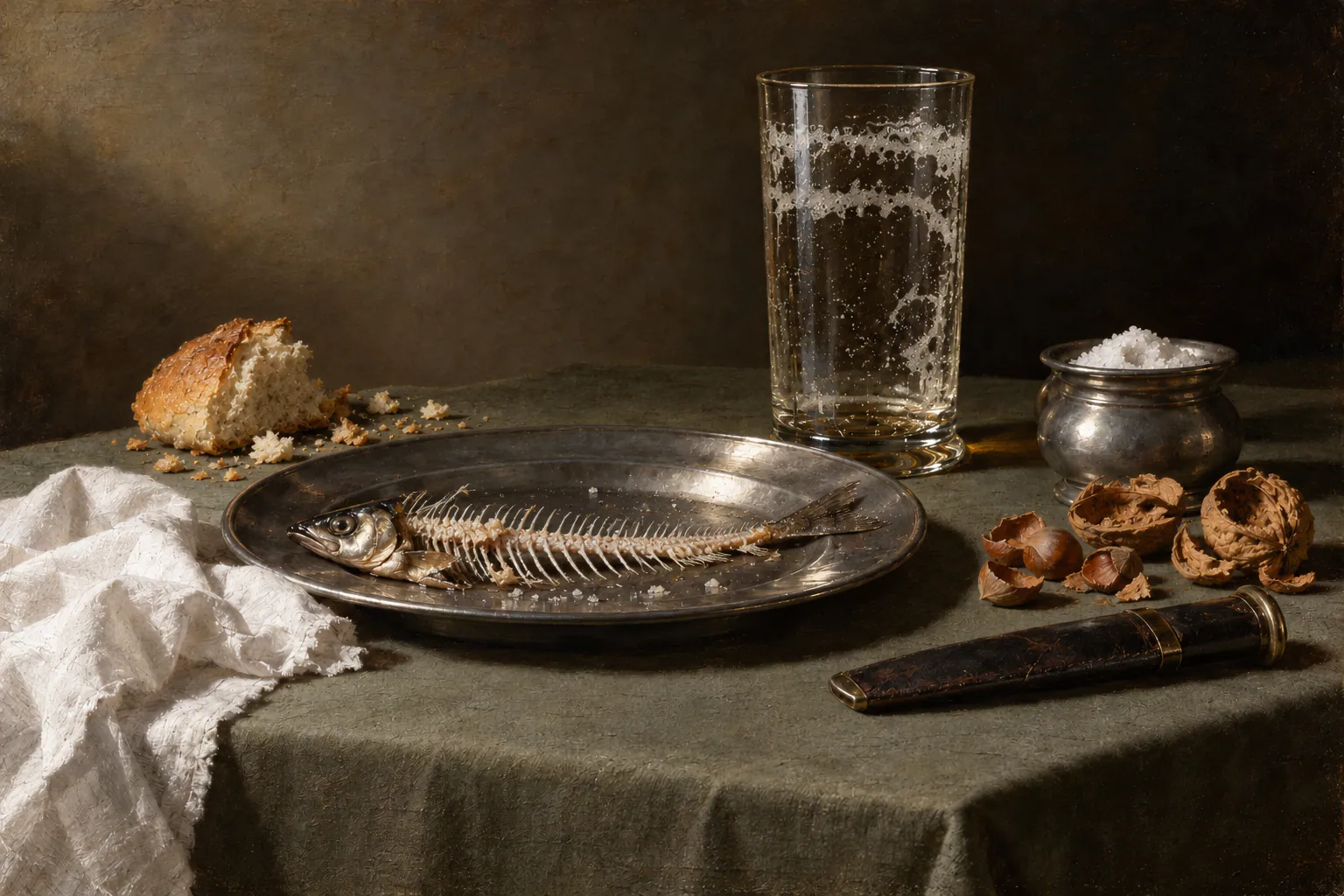
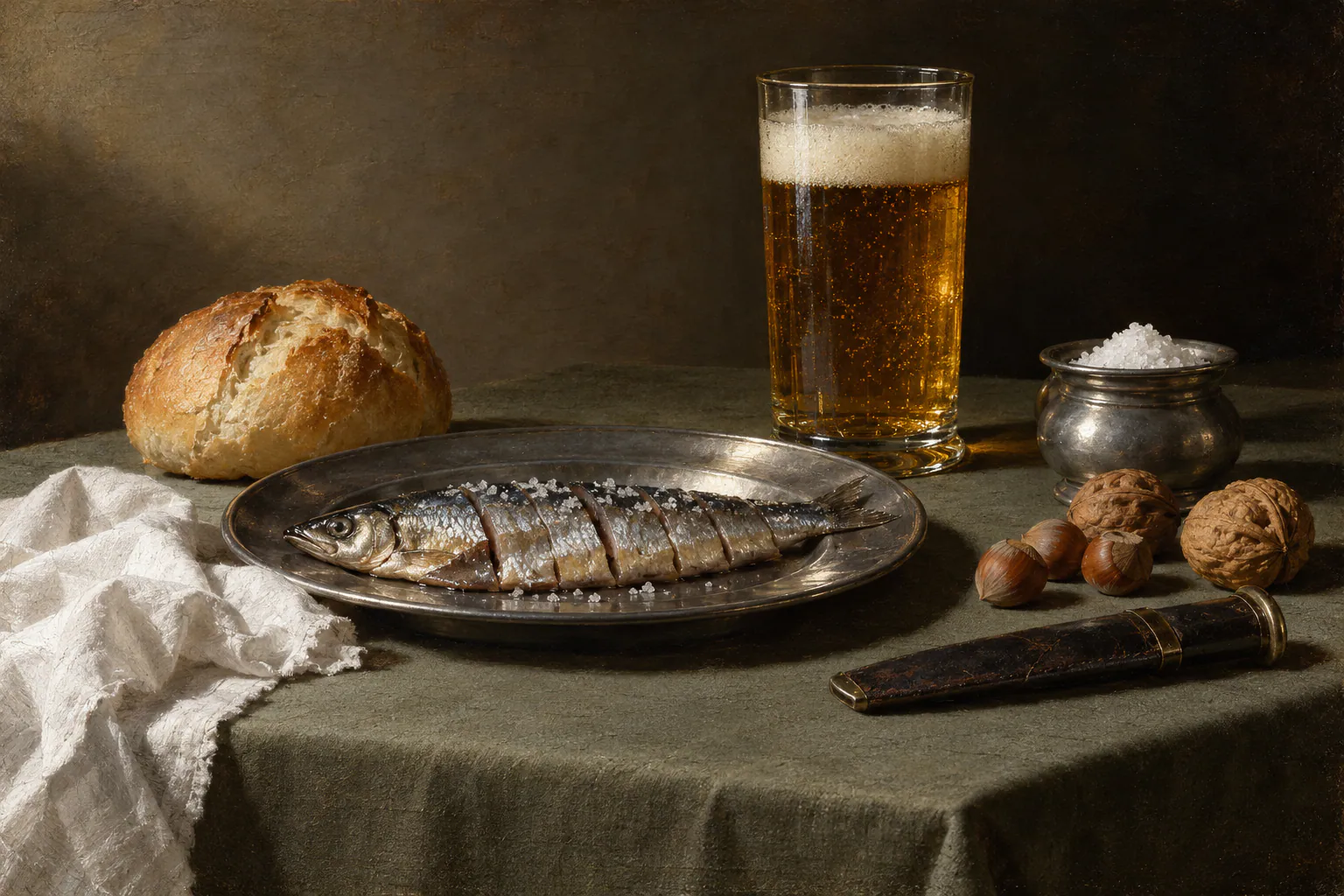
Nº 39 — August
After Pieter Claesz. Our shortest night. Left on the table: one backbone.
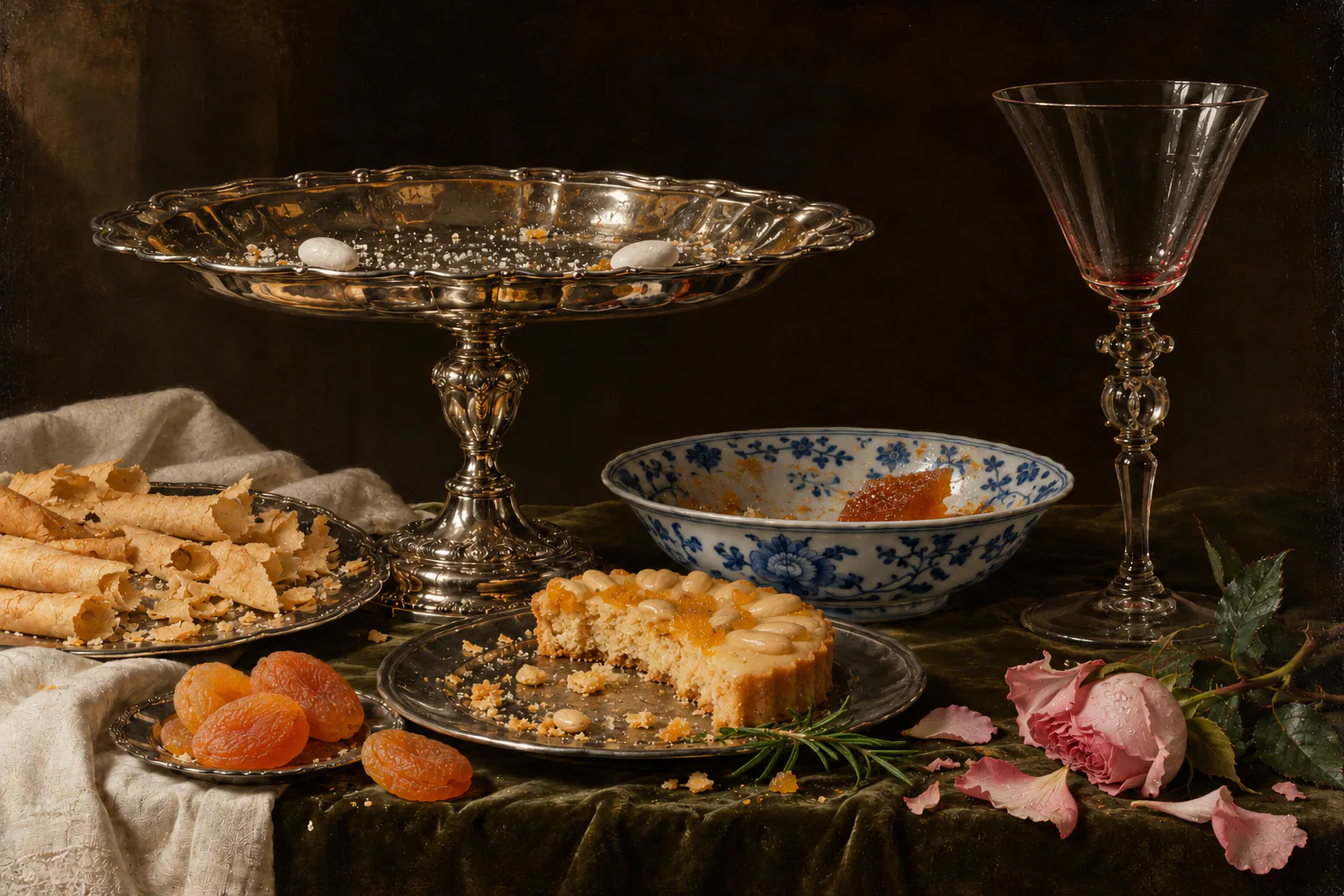
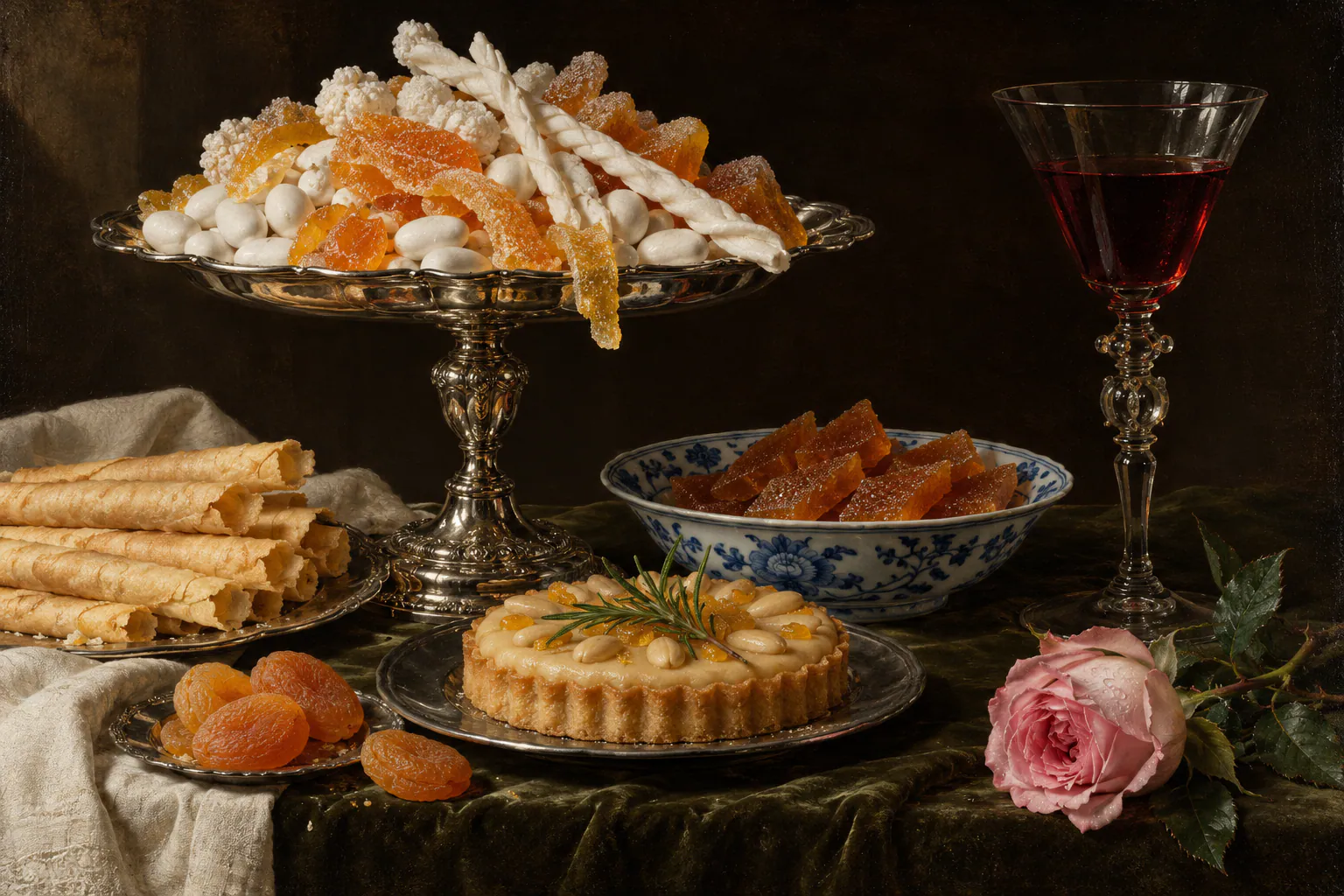
Nº 38 — July
After Georg Flegel. Left on the table: two almonds and most of a rose.
Reservations
Twelve chairs a night, seen here from the ceiling. A napkin means somebody got there first. Put a lemon on any plate that is still bare.